

 EN
EN  English
 中文简体
中文简体News

How do hose clamps work
 2026.07.06
 Industry News
- 1 How Do Hose Clamps Work: The Direct Answer
- 2 Anatomy Of A Screw Hose Clamp
- 3 Types Of Hose Clamps And When Each Is Used
- 4 Material Choice: Steel Hose Clamp Versus Plastic Hose Clamps
- 5 What Defines A High Quality Hose Clamp
- 6 Reading A Hose Clamp Size Chart
- 7 Comparing Clamping Force Across Hose Clamp Styles
- 8 Comparing Hose Clamp Types Across Key Performance Factors
- 9 Automotive Hose Clamp Types And Engine Applications
- 10 Clamping Pressure Behavior During Tightening
- 11 Corrosion Resistance Rating For Coated Steel Hose Clamps
- 12 Choosing The Right Hose Clamp For Heavy Duty And High Pressure Applications
- 13 About Cixi Hengtuo Hardware Co Ltd
- 14 Frequently Asked Questions About Hose Clamps
How Do Hose Clamps Work: The Direct Answer
A hose clamp works by applying even, radial pressure around a hose where it fits over a barbed fitting or pipe stub, compressing the hose material tightly enough to create a seal that resists internal pressure, vibration, and fluid leakage. In the most common design, a screw hose clamp, a metal band wraps around the hose while a screw mechanism draws the band tighter as it is turned, squeezing the hose against the fitting underneath. Other designs, including spring style clamps, a compact hose clamp clip, and crimp hose clamp types, achieve the same compression goal through different mechanisms, either using spring tension or a permanently deformed metal band rather than an adjustable screw. Regardless of the specific style, the underlying working principle of hose clamping remains consistent: a hose clamp converts rotational or spring force into uniform radial compression, which is what actually keeps a hose connection sealed under operating pressure. The sections below explain the different types of hose clamps, how to read a hose clamp size chart, material choices such as steel hose clamp versus plastic hose clamps, what separates good hose clamps from lower grade options, and practical guidance for automotive hose clamp types and heavy duty industrial selection.
Anatomy Of A Screw Hose Clamp
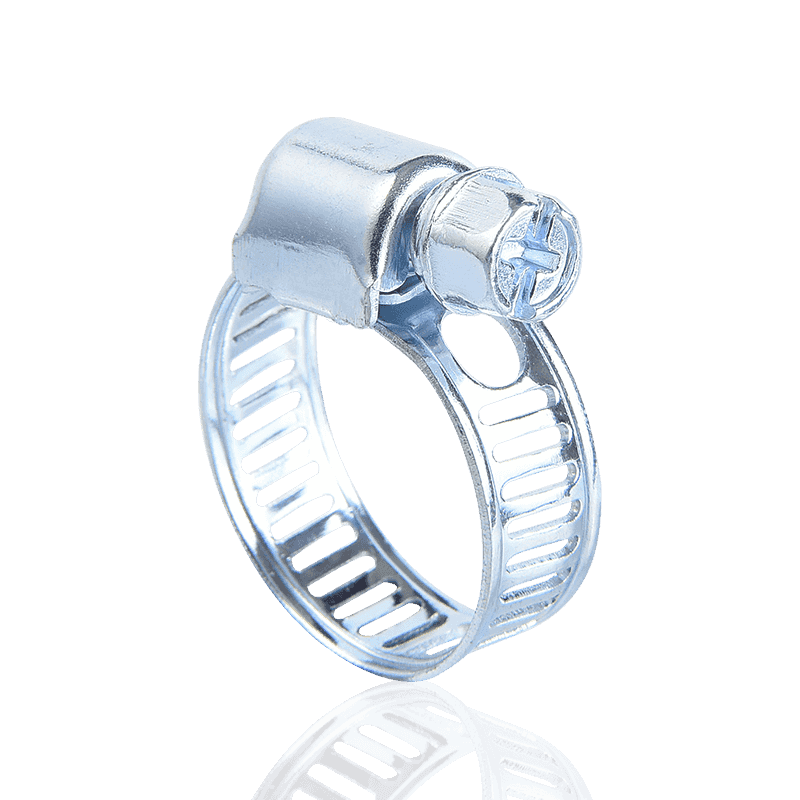
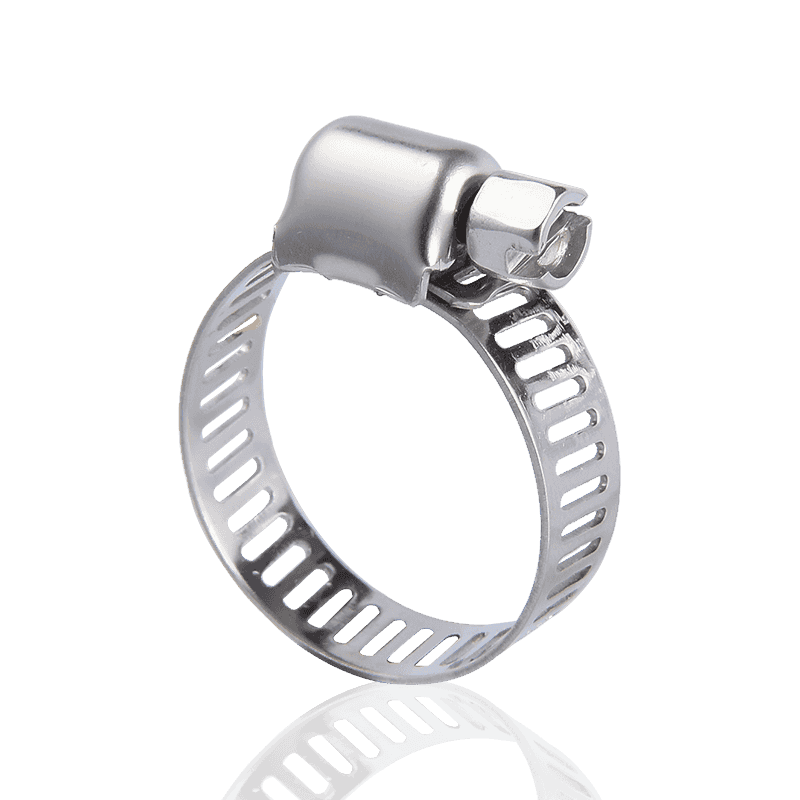
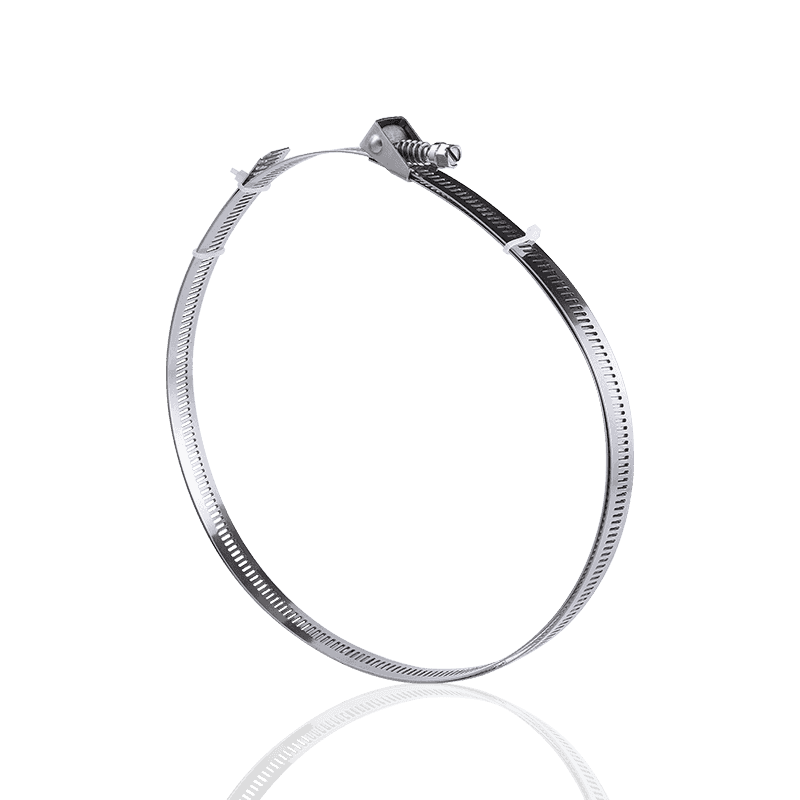
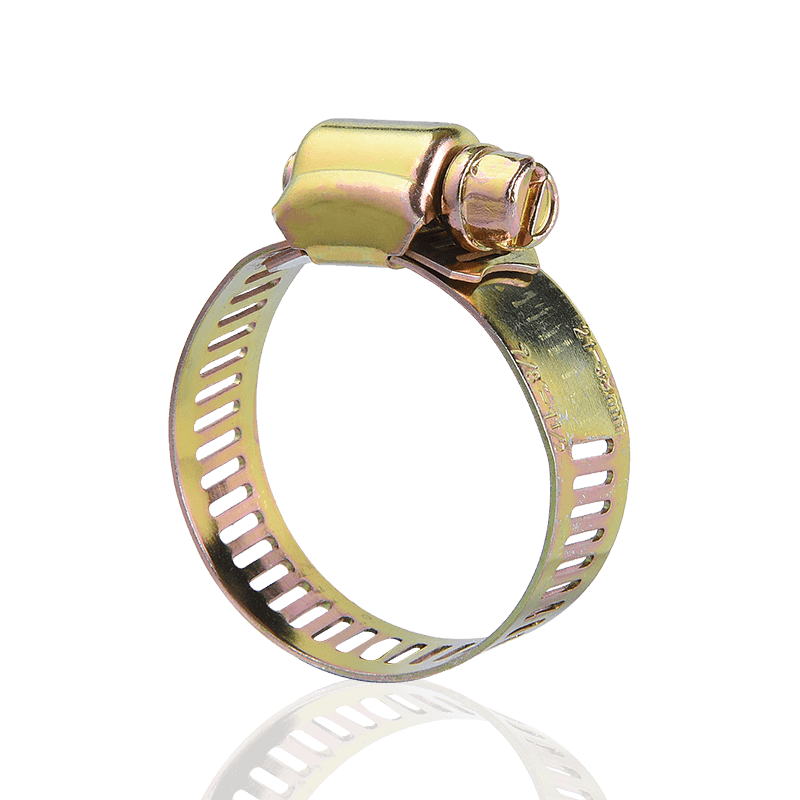
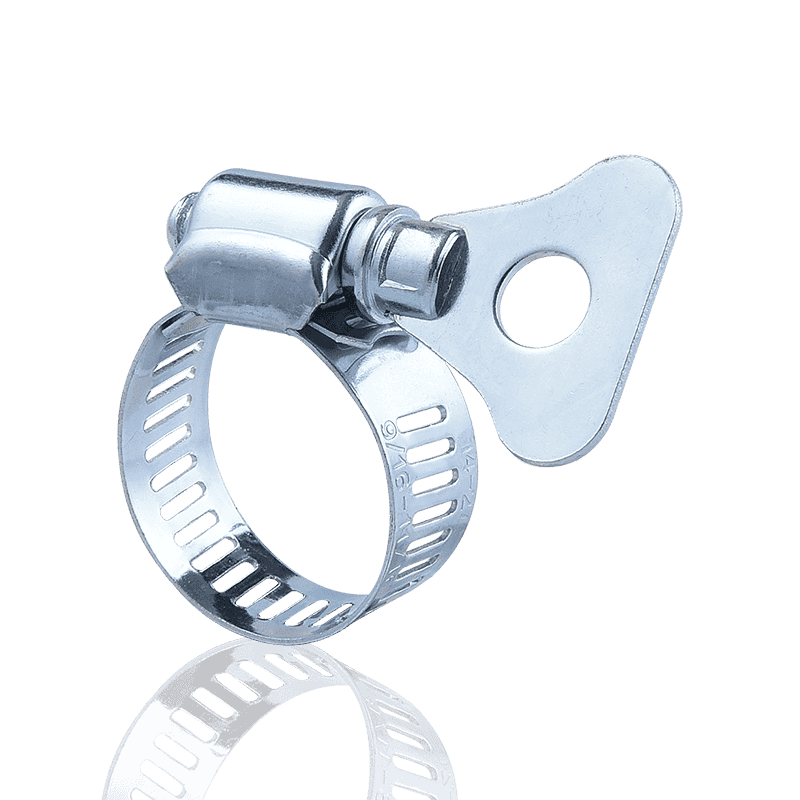
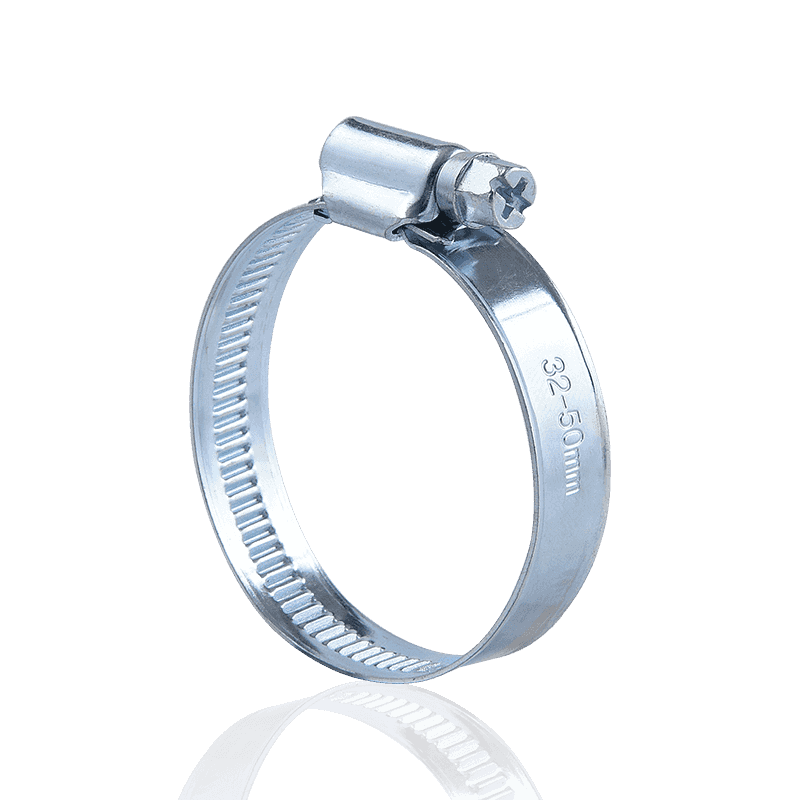
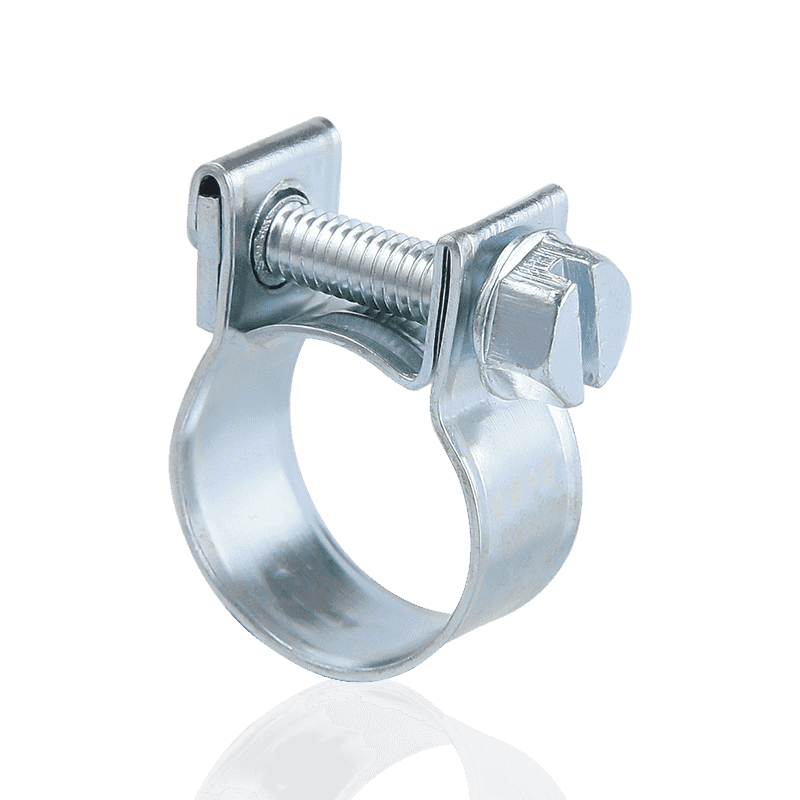
A standard screw hose clamp, sometimes called a worm gear clamp, consists of three primary components: a perforated metal band, a housing that guides the band, and a screw with a threaded gear mechanism that engages the perforations along the band. As the hose clamp screw is turned, the gear teeth pull the band through the housing, progressively reducing the diameter of the loop and tightening it around the hose. This mechanical advantage allows a relatively small amount of turning force at the screwdriver or nut driver to generate substantial radial clamping pressure around the hose, which is why this type of hose clamp remains one of the most widely used clamp styles across automotive, marine, and general mechanical applications.
Why Even Pressure Distribution Matters
The band width and material stiffness of a hose clamp directly influence how evenly clamping pressure is distributed around the hose circumference. A narrow band can create a concentrated pressure line that may cut into softer hose materials over time, while a wide hose clamp spreads the same clamping force across a larger surface area, generally reducing localized stress on the hose wall. This is one reason wide hose clamps are often specified for softer or thinner walled hose materials, while narrower bands remain common on more rigid reinforced hoses where pressure concentration is less of a concern.
Types Of Hose Clamps And When Each Is Used
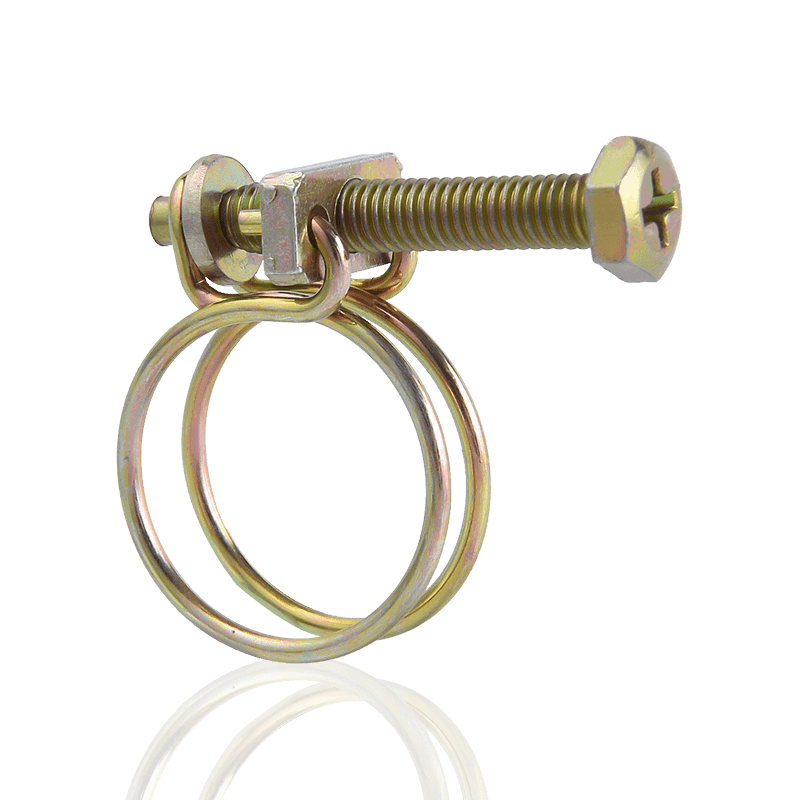
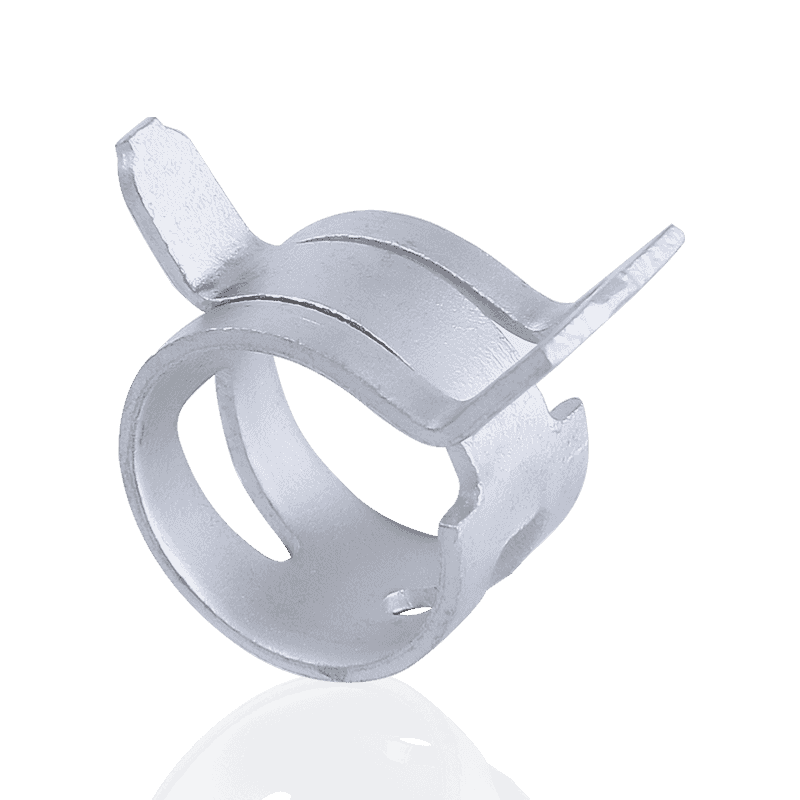
Different types of hose clamps are engineered for different combinations of pressure rating, hose material, installation method, and reusability. Screw or worm gear clamps remain the most common general purpose option because they are adjustable, reusable, and widely available across a broad range of hose clamp sizes. Spring clamps rely on the natural tension of a formed spring steel band to maintain constant pressure, which can help accommodate slight hose expansion and contraction from temperature changes without requiring re-tightening. Crimp hose clamp types are installed using a specialized tool that permanently deforms the band around the hose, creating a strong, tamper resistant connection that is not intended to be reused once removed, which makes crimp clamps common in original equipment manufacturing where a permanent, non serviceable connection is acceptable.
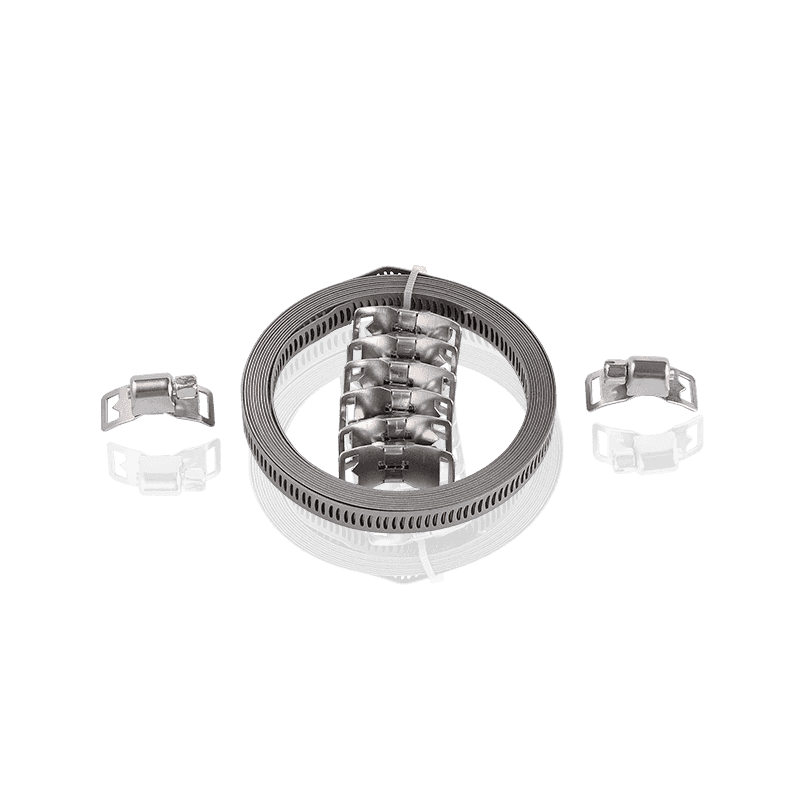
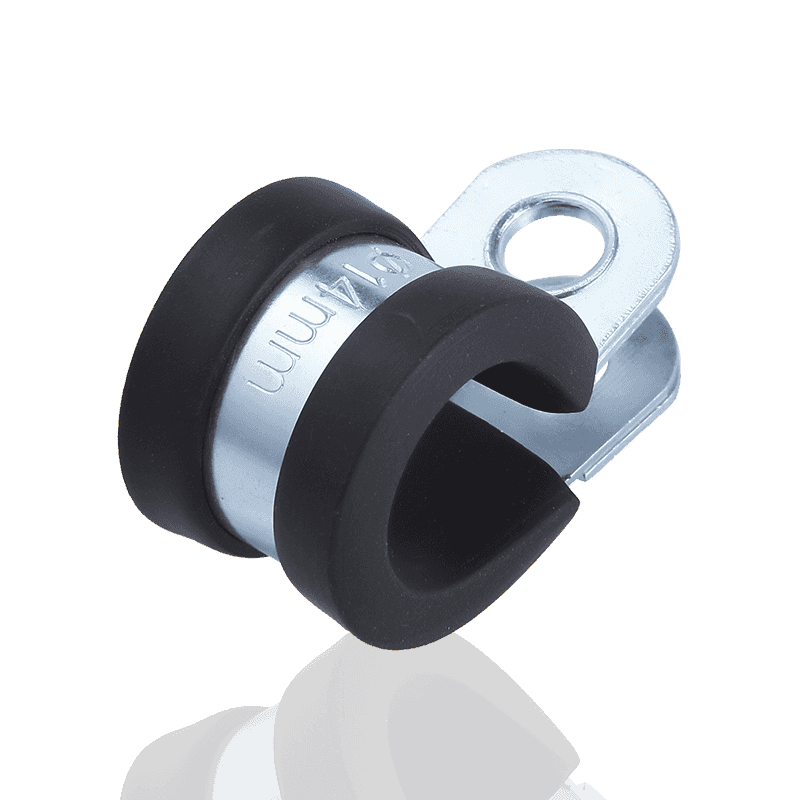
A hose clamp clip, often built around a stamped single ear feature, is mechanically crimped closed with pliers, offering a compact, low profile design frequently used in fuel line and smaller diameter hose applications. Micro hose clamps are scaled down versions of standard screw or spring designs intended for very small diameter tubing, commonly found in fuel injection systems, small pneumatic lines, and compact fluid transfer applications where standard sized clamps would be too bulky. For workshops and repair facilities, assorted hose clamps kits combining several different types and sizes in one case are a practical way to keep a broad range of clamp styles on hand without ordering each size individually.
| General overview of common hose clamp styles and typical characteristics | ||
| Clamp Style | Adjustability | Common Use Case |
| Screw Or Worm Gear | Reusable, adjustable | General automotive and industrial hose connections |
| Spring Clamp | Self adjusting under temperature change | Coolant and fuel lines with thermal expansion |
| Crimp Clamp | Permanent, not reusable | Original equipment manufacturing assembly |
| Single Ear Clip | Permanent, low profile | Fuel lines and small diameter hose runs |
| Micro Clamp | Reusable, compact | Small tubing and fuel injection lines |
Material Choice: Steel Hose Clamp Versus Plastic Hose Clamps
The donut chart below illustrates a general breakdown of common hose clamp material usage across typical industrial and automotive applications. Steel hose clamp options, often finished with a protective zinc or stainless coating, make up the largest share of general use because steel offers strong mechanical durability and reliable resistance to the clamping forces required for higher pressure applications. Plastic hose clamps occupy a smaller but meaningful share, typically selected for lower pressure applications, lighter duty tubing, or situations where corrosion resistance in a chemically sensitive environment is prioritized over maximum clamping strength. A remaining share covers specialty coated or composite band designs used in specific corrosive or high humidity environments. This distribution reflects general industry material selection patterns rather than a single specific study, and material selection should always be matched to the pressure, temperature, and chemical exposure conditions of the actual application.
Approximate general share: Steel hose clamp 51 percent, Plastic hose clamps 26 percent, Specialty coated or composite bands 23 percent, based on general industry usage patterns.
What Defines A High Quality Hose Clamp
Buyers searching for good hose clamps or high quality hose clamps are generally evaluating a handful of specific construction factors rather than any single measurement. Band thickness and steel grade influence how much clamping force the band can hold before it begins to deform or lose tension over time, which is part of why a strongest hose clamp comparison usually centers on gauge thickness and material specification rather than overall size alone. Housing design also matters, since a well formed housing keeps the band tracking straight during tightening rather than twisting or binding partway through installation, a common frustration with lower grade stamped housings.
Corrosion resistant plating is another factor separating better hose clamps from basic uncoated bands, particularly for outdoor, marine, or engine bay installations where moisture and road chemicals are a constant presence. Consistent screw thread engagement across the full adjustment range also reflects manufacturing precision, since a clamp that binds or skips partway through tightening can be difficult to seat properly regardless of how strong the base material is. Taken together, these factors, rather than size or price alone, are what generally distinguish a dependable, long lasting hose clamp from a lower grade alternative.
Reading A Hose Clamp Size Chart
A hose clamp size chart typically lists a clamping diameter range rather than a single fixed measurement, since a screw type clamp is designed to tighten across a span of diameters. For example, a clamp labeled with a hose clamp 5/16 to 5/8 in clamping diameter can be installed on any hose outer diameter that falls within that range, with the screw mechanism taking up the remaining slack as it is tightened. Reading hose clamp sizes correctly means measuring the actual outer diameter of the hose once it is fitted over the barb or pipe stub, since measuring the hose alone before installation can understate the final fitted diameter.
Hose clamp sizes mm and inch measurements are both common depending on regional standards, so cross referencing an ideal hose clamp size chart that lists both units can help avoid mismatched orders when working across different equipment manufacturers. Larger diameter needs, such as hose clamps 2 inch for mid size hose runs or a 4 hose clamp size for heavier industrial and marine hose lines, follow the same fitted diameter measurement principle as smaller clamps. Selecting a clamp with a range that closely matches the actual fitted hose diameter, rather than one at the extreme edge of its adjustment range, generally provides more even band tension and a more secure seal.
| General hose clamp sizing reference example across common diameter ranges | ||
| Clamping Diameter Range | Approximate Metric Equivalent | Typical Application |
| 5/16 to 5/8 inch | 8 to 16 mm | Small fuel or vacuum lines |
| 1/2 to 1 inch | 13 to 25 mm | Small to mid size coolant hoses |
| 2 inch range | Approximately 51 mm | Larger radiator and irrigation hoses |
| 4 inch range | Approximately 102 mm | Heavy duty industrial and marine hose lines |
Comparing Hose Clamp Types Across Key Performance Factors
The radar comparison below scores four common hose clamp types across four practical performance factors: pressure rating, reusability, corrosion resistance, and installation speed. Screw or worm gear clamps score well across most factors, which explains why they remain the default choice among types of automotive hose clamps for general repair and maintenance work. Crimp clamps score highest on installation speed and pressure rating in original equipment settings but score lowest on reusability, since the band cannot be loosened and reinstalled once crimped. Spring clamps balance reusability and installation speed well, though their pressure rating ceiling is typically lower than a properly tightened worm gear design. Single ear clips sit between crimp and spring designs, offering a compact permanent connection with solid pressure performance for smaller diameter lines. Viewing these four factors together helps clarify why different type of hose clamps continue to coexist across the industry rather than one style replacing all others.
Illustrative general performance comparison across hose clamp types, scored qualitatively rather than against a specific test standard.
Automotive Hose Clamp Types And Engine Applications
Automotive hose clamp types cover a wide range of applications throughout a vehicle, from coolant and radiator hose connections to fuel lines, vacuum lines, and turbocharger boost hoses. Engine hose clamps operating near the engine bay often need to withstand elevated temperatures, engine vibration, and exposure to oil and coolant, which is why steel hose clamp options with corrosion resistant plating are commonly specified in these locations rather than plastic alternatives. Among the best hose clamps for radiator hoses, wide band designs are frequently favored, since the larger diameter and softer rubber compound typical of radiator hoses respond well to distributed clamping pressure rather than a narrow, concentrated band. For high pressure fuel and turbo lines, buyers researching the best hose clamps for high pressure applications generally look for thicker gauge steel and a full engagement worm gear housing rather than a lightweight stamped design.
Different style hose clamps are also chosen based on regional manufacturing conventions, sometimes referred to informally as British style, German style, or American style clamp designs, each reflecting slightly different band and housing geometry while serving the same fundamental clamping function. Selecting the correct style for a given vehicle or equipment platform often comes down to matching original equipment specifications or replacement part compatibility, since housing dimensions can vary slightly between these regional style conventions. Owners searching for auto hose clamps for a specific make and model repair typically cross reference the vehicle hose diameter against a hose clamp sizing chart before selecting between these style options.
- Coolant and radiator hose connections benefit from wide band clamps for distributed pressure
- Fuel and vacuum lines often use smaller diameter or single ear clip designs
- Turbocharger and boost hose connections require clamps rated for higher operating pressure
- Engine bay clamps benefit from corrosion resistant plating due to heat and fluid exposure
- Types of car hose clamps vary by regional style convention, including British, German, and American housing designs
Clamping Pressure Behavior During Tightening
The area chart below illustrates a general trend in how clamping pressure builds as a screw hose clamp is progressively tightened. Early in the tightening process, pressure increases gradually as the band takes up slack around the hose surface. As tightening continues, pressure typically rises more steeply once the band makes full contact with the hose and fitting underneath, since further screw rotation at this stage translates more directly into radial compression rather than simply removing slack. Beyond a certain point, continued over tightening provides diminishing sealing benefit and can begin to compress the hose material excessively, which is why manufacturers generally recommend tightening to a firm, secure fit rather than applying maximum possible force. Understanding this general pressure curve helps explain why proper tightening technique matters as much as clamp selection itself when creating a reliable hose connection.
Illustrative general pressure build trend during hose clamp tightening, actual behavior varies by hose material and clamp design.
Corrosion Resistance Rating For Coated Steel Hose Clamps
The gauge chart below presents a general illustrative corrosion resistance rating for a typical zinc or stainless coated steel hose clamp relative to an uncoated band under sustained moisture exposure. Coated steel hose clamps generally achieve a strong relative rating on this scale because the plating layer forms a barrier that slows oxidation of the underlying steel band. This rating tends to matter most in outdoor, marine, agricultural irrigation, and under vehicle applications, where clamps are continuously exposed to moisture, road salt, or fertilizer residue. A higher corrosion resistance rating generally correlates with longer service life before a clamp needs replacement due to surface rust weakening the band. This chart reflects a general illustrative rating rather than a specific salt spray test result for any single coating specification, and actual performance always depends on coating thickness and the specific environment the clamp is installed in.
Illustrative general corrosion resistance positioning for coated steel hose clamps under sustained moisture exposure.
Choosing The Right Hose Clamp For Heavy Duty And High Pressure Applications
Selecting a hose clamp for heavy duty or high pressure service starts with confirming the clamp is rated for the expected operating pressure and temperature range of the application. A wider band and thicker gauge steel generally provide more consistent clamping force retention over time compared with lighter duty designs, which matters for continuous duty equipment such as engine coolant systems, hydraulic lines, and industrial fluid transfer equipment. Matching the clamp diameter range closely to the actual fitted hose diameter, rather than relying on the extreme end of a clamp adjustment range, also supports more even and durable clamping performance across hose clamps heavy duty applications.
For automotive hose clamp types operating in engine bay or under vehicle locations, corrosion resistant plating helps maintain long term clamping performance despite exposure to moisture, road salt, and engine fluids. Reviewing a hose clamp size chart alongside the actual measured hose diameter before ordering replacement parts helps avoid the common mistake of selecting a clamp that sits at the very edge of its adjustable range, which can reduce long term clamping reliability compared with a properly matched size selection.
- Confirm the expected operating pressure and temperature for the application
- Match band width and steel gauge to the duty cycle of the connection
- Measure the actual fitted hose diameter rather than the unfitted hose
- Select corrosion resistant plating for outdoor, marine, or engine bay locations
- Avoid selecting a clamp size at the extreme edge of its adjustable range
About Cixi Hengtuo Hardware Co Ltd
Cixi Hengtuo Hardware Co., Ltd. is a professional manufacturer specializing in hose clamps and related clamp series. Established in 2005, the company is based in Cixi City, Zhejiang Province, a location well positioned for trade and logistics, bordered by the Beilun International Ship Terminal in Ningbo to the east, Siming Mountain to the south, the historic commercial hub of Yuyao to the west, and the Hangzhou Bay Bridge to the north. With a workforce of nearly 100 employees, the factory produces an annual output of roughly 30 million units across a wide range of hose clamp series.
Product offerings include British style, German style, American style, heavy duty style, and single ear clamps, with custom manufacturing available to meet specific customer requirements. All products are engineered for strong mechanical resistance, high pressure tolerance, and corrosion resistance, making them well suited for connecting oil, gas, and liquid hose interfaces across automobiles, tractors, marine vessels, gasoline and diesel engines, and irrigation systems. The clamps also serve as essential fastening components for hose connections and sewer interfaces within building infrastructure.
Backed by solid technical expertise, advanced production equipment, thorough testing procedures, and a professional design team, Cixi Hengtuo Hardware maintains a dependable quality management system and offers a coordinated service spanning product development, manufacturing, and sales. The company's products reach both domestic and international markets, reflecting a long standing commitment to consistent quality and dependable customer service.
Frequently Asked Questions About Hose Clamps
Q1: How do hose clamps work to prevent leaks
A hose clamp applies even radial pressure around a hose against a fitting underneath, compressing the hose material enough to form a seal that resists internal pressure and vibration.
Q2: What is the difference between screw and crimp hose clamp types
A screw clamp is adjustable and reusable, while a crimp clamp is permanently deformed around the hose using a specialized tool and is not intended for reuse once removed.
Q3: How do I read a hose clamp size chart correctly
Measure the actual outer diameter of the hose once fitted over the barb or pipe stub, then match that measurement to the clamping diameter range listed on the chart.
Q4: Are steel hose clamps better than plastic hose clamps
Steel clamps generally offer higher clamping force and are common for higher pressure applications, while plastic clamps are often used for lighter duty or corrosion sensitive situations.
Q5: Why do radiator hoses often use wide hose clamps
A wider band distributes clamping pressure across more surface area, which suits the larger diameter and softer rubber material typical of radiator hoses.
Q6: What makes a hose clamp a good, high quality choice
Band thickness, steel grade, housing precision, and corrosion resistant plating are the main factors that separate a dependable hose clamp from a lower grade alternative.
Q7: Can a hose clamp be over tightened
Yes, tightening beyond a firm secure fit provides little additional sealing benefit and can compress or damage the hose material over time.

The company strives for excellence in every aspect of production, sales, and after-sales, ensuring customer satisfaction is the unchanging purpose of the enterprise!
Quick links
Product links
Contact Us
-
Address:222 Zhouhu Road, Zhouxiang Town, Cixi City, Zhejiang Province, China
-
Phone: +86-13736108443
-
Tel: +86-574-63441573
-
Fax: +86-574-63452355
-
E-mail: [email protected]
Copyright ©Cixi Hengtuo Hardware Co., Ltd. Rights Reserved. Wholesale Hose Clamp Manufacturer China Hose Clamp Factory
