

 EN
EN  English
 中文简体
中文简体News

How to judge the quality of Taiwan hose clamps?
 2026.05.22
 Industry News
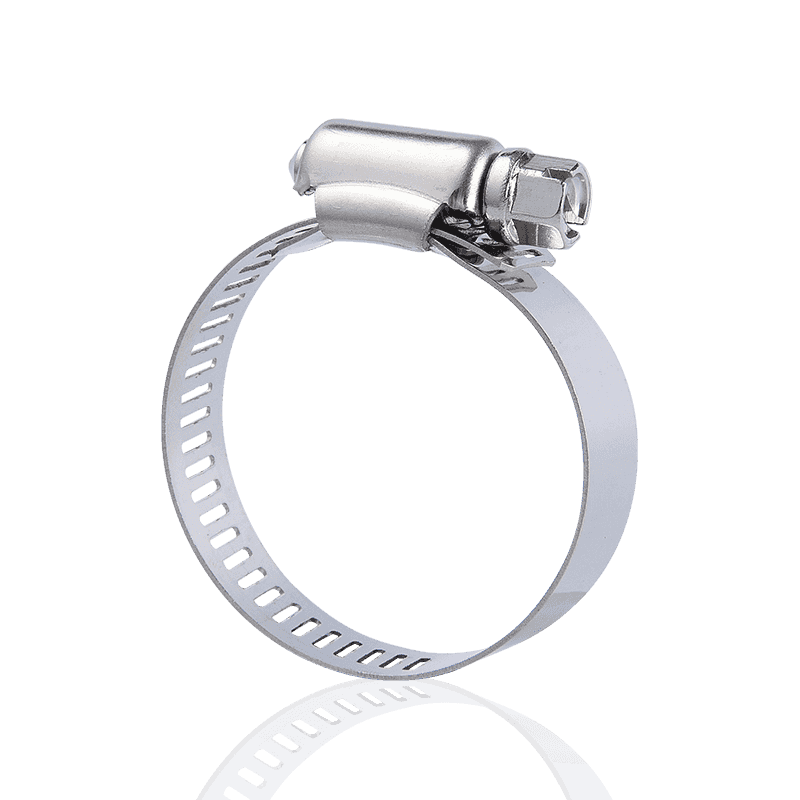
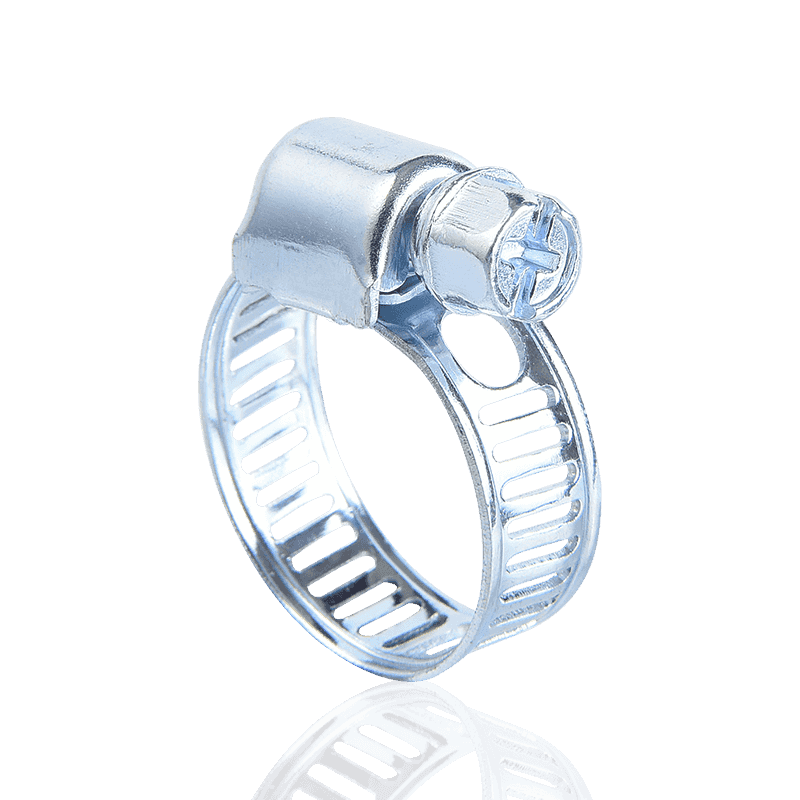
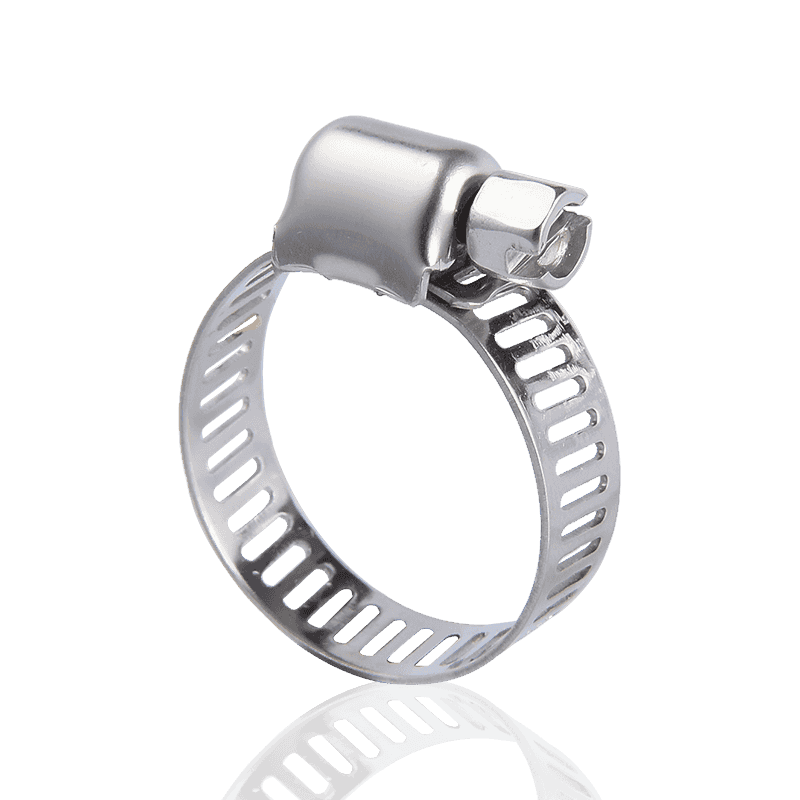
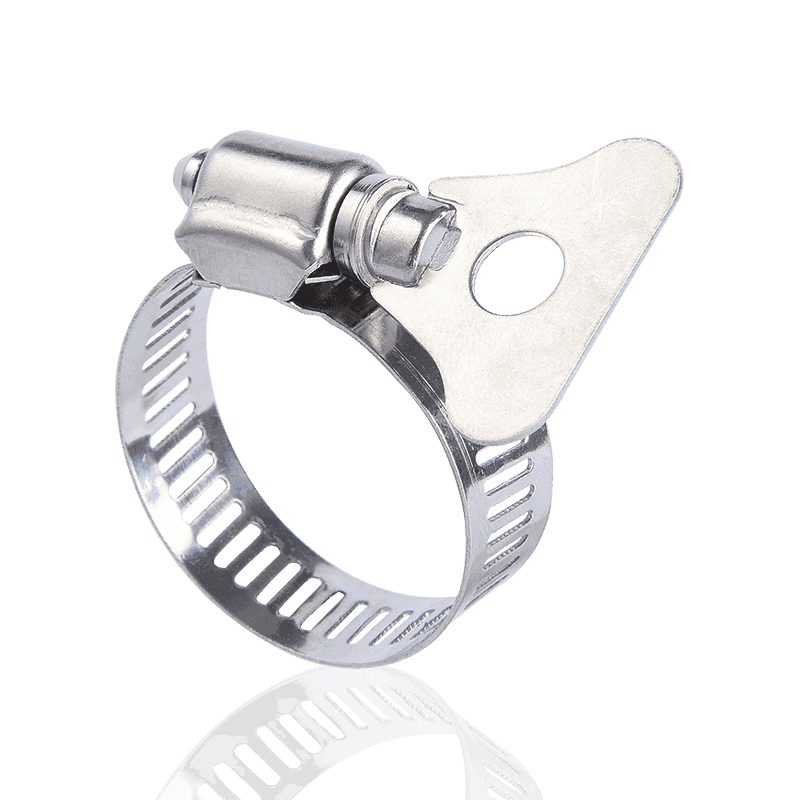
How to judge the quality of Taiwan hose clamps?To judge the quality of a Taiwan style hose clamp, focus on five core indicators: band material grade, worm thread precision, housing finish, clamping range consistency, and corrosion resistance performance. A high-quality clamp will use 304 or 316 stainless steel throughout — band, screw, and housing — with smooth rolled edges, clean thread engagement, and no surface pitting or burrs. This guide walks through each quality criterion in detail, giving you a practical Taiwan Hose Clamp Buying Guide you can use before placing any order.
Whether you are sourcing clamps for automotive cooling systems, marine applications, food processing lines, or heavy-duty agricultural equipment, understanding how to evaluate clamp quality at the component level saves time, reduces failure risk, and supports better long-term value. The sections below cover materials, specifications, installation standards, maintenance practices, and what to expect from a reliable Taiwan Hose Clamp Manufacturer Direct Sales operation.
- 1 Key Quality Indicators: What to Inspect Before You Buy
- 2 Advantages and Disadvantages of Stainless Steel Hose Clamps
- 3 Taiwan Hose Clamp Specifications: Reading the Numbers Correctly
- 4 High-Pressure Hose Clamp Installation Techniques That Prevent Failure
- 5 Anti-Slip and Adjustable Hose Clamps: Matching Type to Application
- 6 Spiral Hose Clamp Usage Tips for Thermal Cycling Applications
- 7 Recommended Corrosion-Resistant Hose Clamps by Environment
- 8 Food-Grade Hose Clamps: Design and Compliance Requirements
- 9 Hose Clamp Maintenance and Care: Extending Service Life
- 10 About Cixi Hengtuo Hardware Co., Ltd.
- 11 Frequently Asked Questions
Key Quality Indicators: What to Inspect Before You Buy
A reliable Taiwan style hose clamp can be assessed quickly through visual and mechanical checks. The most common quality failures occur in three areas: band material substitution (using 201 instead of stated 304 grade), poorly formed worm threads that slip under torque, and rough-cut band edges that damage hose surfaces over time.
Band Surface and Edge Quality
Run a fingernail along the inner band edge. Quality clamps have smooth, rolled or deburred edges that will not cut into the hose wall during tightening or thermal cycling. Low-quality clamps leave sharp stamping edges that can slice through silicone or rubber hoses within weeks, particularly in vibration-heavy engine bay environments. Band width should be consistent — measure at three points along the band; variation greater than 0.2 mm suggests poor tooling control.
Worm Screw Thread Engagement
Thread quality is the most critical mechanical factor for adjustable hose clamps. Rotate the screw by hand through its full range. The movement should be smooth, consistent, and free of skipping or grinding. Any resistance or jumping indicates misaligned thread pitch — a leading cause of loosening after installation. The screw head should accept a standard hex or flat driver without wobble, and the slot depth should be sufficient to hold torque without stripping.
Material Verification
The most straightforward field test for stainless steel grade is a magnet check. 304 stainless steel is weakly magnetic or non-magnetic. 201 stainless is more magnetic due to higher manganese content. This is not a definitive grade test, but a strong magnetic attraction to a claimed 304 clamp warrants further scrutiny. For confirmed grade verification, request a material test certificate (MTC) from the supplier — any serious Taiwan Hose Clamp Manufacturer Direct Sales operation should provide this without hesitation.
Most Common Hose Clamp Quality Failure Causes (% of field failures)
Distribution of field failure causes in industrial hose clamp applications; material misrepresentation is the leading factor
Advantages and Disadvantages of Stainless Steel Hose Clamps
Understanding the Advantages and Disadvantages of Stainless Steel Hose Clamps helps buyers select the right type for their operating conditions. Stainless steel is the dominant material for quality hose clamps because of its combination of mechanical strength, corrosion resistance, and temperature tolerance — but grade selection matters significantly.
| Criterion | Advantage | Limitation |
|---|---|---|
| Corrosion Resistance | 316SS withstands 1,000+ hrs in salt spray (ISO 9227) | 201SS corrodes in marine or chloride environments |
| Temperature Range | 304SS rated to ~250°C continuous service | Thermal expansion may reduce clamping force if sizing is poor |
| Mechanical Strength | Tensile strength 515–620 MPa (304 grade) | Over-torquing strips worm thread or deforms band |
| Reusability | Fully adjustable; can be removed and reinstalled | Repeated removal may plastically deform the band |
| Food Safety | 316L with smooth band meets food-contact standards | Slotted bands trap residue; require closed housing design |
For most automotive and industrial uses, 304 stainless steel provides an appropriate balance of performance and cost. In saltwater-exposed, chemical, or food-processing environments, the upgrade to 316L is not optional — it is a specification requirement that directly affects service life and safety compliance.
Taiwan Hose Clamp Specifications: Reading the Numbers Correctly
Misreading Taiwan Hose Clamp Specifications is a common source of installation failures. Every quality clamp is labeled with its clamping diameter range (e.g., 20–32 mm) and band width (e.g., 9 mm or 12 mm). The labeled range refers to the outer diameter of the hose after it is fitted on the barb — not the hose's nominal inner bore. Always measure the installed hose OD before selecting a clamp size.
The screw housing should sit approximately at the mid-point of the band's adjustment range after installation. A clamp used at its maximum extension places the housing directly over the hose, creating a hard point that leads to localized hose damage and eventual leakage. A clamp used near its minimum may have insufficient thread engagement to hold torque.
| Clamp Range (mm) | Band Width (mm) | Recommended Torque (Nm) | Typical Application |
|---|---|---|---|
| 8–16 | 8 | 2.0–2.5 | Fuel lines, vacuum hoses |
| 16–27 | 9 | 3.0–3.5 | Radiator, coolant, water hoses |
| 32–51 | 12 | 4.5–5.5 | Turbo pipes, intercooler hoses |
| 50–70 | 14 | 6.0–7.5 | Heavy hydraulic, industrial hoses |
| 70–90 | 14–16 | 7.5–9.0 | Marine, large-bore irrigation |
High-Pressure Hose Clamp Installation Techniques That Prevent Failure
Correct application of High-Pressure Hose Clamp Installation Techniques is as important as clamp quality itself. Research into hose joint failures in automotive and industrial settings consistently shows that more than 60% of leaks occur due to installation error rather than product defect. The following procedure applies to worm-drive Taiwan style clamps across all pressure ratings.
Step-by-Step Installation Procedure
- Clean both the hose inner surface and the barb fitting with a lint-free cloth. Remove any grease, oil film, or debris that reduces friction between hose and fitting.
- Thread the clamp onto the hose before fitting the hose over the barb. This avoids the need to force the clamp over an assembled joint and reduces band distortion.
- Push the hose fully onto the barb until it bottoms out against the fitting shoulder or reaches the marked installation line.
- Position the clamp 6–10 mm from the hose end, centred over the barb rib or bead. Do not place the housing over the bead itself.
- Tighten using a torque-controlled screwdriver or nut driver to the specification for your band width. Do not use impact tools.
- Re-torque after the first thermal cycle — once the system reaches operating temperature and cools back to ambient. This step eliminates 80% of post-installation loosening.
Heavy-Duty Hose Clamp Installation Methods for Vibration Environments
For Heavy-duty Hose Clamp Installation Methods in diesel engines, marine drives, and agricultural machinery where vibration is continuous, two proven techniques reduce clamp migration. The first is double-clamping: two clamps spaced 12–15 mm apart provide redundant sealing load. The second is the use of anti-slip hose clamps with an embossed or perforated band pattern that mechanically keys into the hose surface and resists rotational movement caused by engine torque reaction.
Clamp Loosening Rate After 500 Thermal Cycles vs Installation Torque
Loosening rate drops sharply when installation torque reaches 3–4 Nm; re-torquing after the first heat cycle further reduces loosening by approximately 50%
Anti-Slip and Adjustable Hose Clamps: Matching Type to Application
Adjustable hose clamps with a standard worm-drive mechanism are the most widely used type for general maintenance and installation because they can be tightened, released, and repositioned without tools beyond a screwdriver. This flexibility makes them the preferred choice for field service situations where hose replacement is a regular task.
Anti-slip hose clamps address a specific and common failure mode: clamp rotation. In engines and pumps, torque reactions and vibration can slowly rotate a smooth-band clamp around the hose circumference. Once the screw housing reaches the underside of the fitting, the effective clamping force drops dramatically. Anti-slip bands, which feature embossed ridges, cross-hatching, or perforations, create mechanical interference with the hose surface. Failure analysis data across industrial service environments shows that anti-slip clamps reduce rotation-related leaks by approximately 40–45% compared to smooth-band equivalents.
Hose Clamp Type Performance Radar: Worm-Drive vs Anti-Slip vs Spiral
Performance profile comparison across three common Taiwan hose clamp types on six evaluation axes
Spiral Hose Clamp Usage Tips for Thermal Cycling Applications
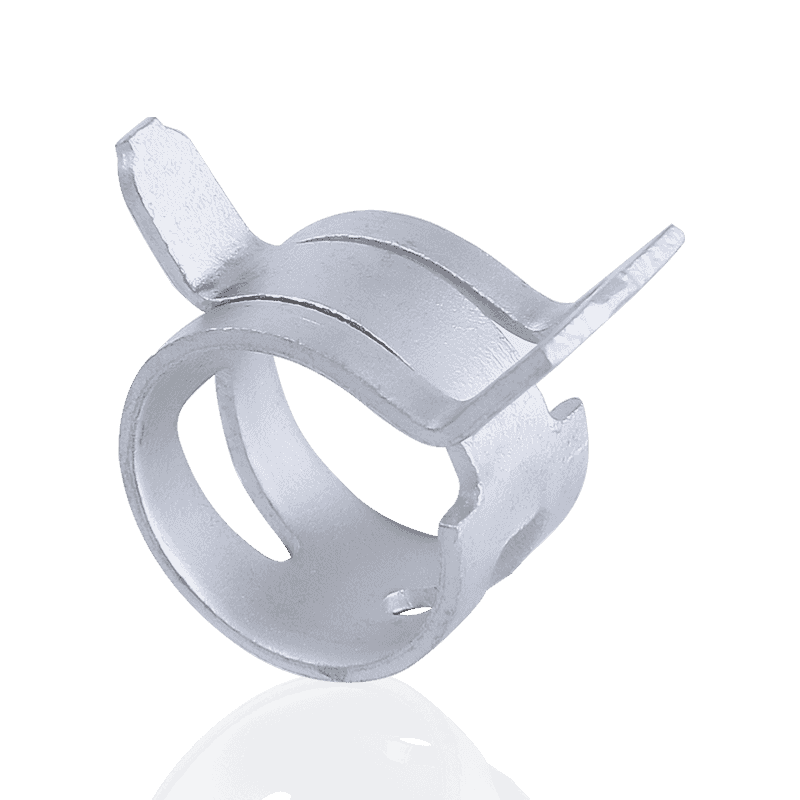
Spiral Hose Clamp Usage Tips are especially relevant in applications with wide temperature swings. Spiral or constant-tension clamps use a spring-tempered stainless band that maintains clamping load as the hose expands and contracts. Unlike worm-drive clamps where clamping force is fixed at installation, a spiral clamp continuously adjusts — this is a significant advantage on turbocharged engine outlets, cylinder head coolant connections, and steam lines where temperatures cycle between -20°C and 170°C or higher.
- Always use a dedicated spiral clamp installation tool (pincer pliers). Hand-stretching distorts the band asymmetrically and reduces contact uniformity.
- Select a spiral clamp whose resting inner diameter is 5–8% smaller than the installed hose OD — this ensures positive pre-load at all temperatures.
- Do not use spiral clamps on rigid pipe or metal-to-metal joints — they are designed for elastomeric hose compliance. On rigid joints they provide no benefit and may over-stress the pipe fitting.
- For High-Temperature Resistant Hose Clamps in turbo or exhaust-adjacent applications, specify spring bands in 304 or 316 stainless, not carbon spring steel, to avoid oxidation above 120°C.
Recommended Corrosion-Resistant Hose Clamps by Environment
Selecting Recommended Corrosion-resistant Hose Clamps requires matching the material specification to the specific corrosive agent present. Salt spray, chlorinated water, fertilizer residue, acidic cleaning agents, and fuel additives each attack metals through different mechanisms. The table below summarizes appropriate clamp specifications by environment, based on standard industry corrosion testing data.
| Environment | Recommended Grade | Salt Spray Life (ISO 9227) | Notes |
|---|---|---|---|
| Automotive (dry) | 201 or 304 SS | 200–500 hrs | Standard application, 304 preferred |
| Marine / Coastal | 316L SS | 1,000+ hrs | All components must be 316L including screw |
| Agricultural Irrigation | 304 or 316 SS | 500–800 hrs | Fertilizer residue accelerates corrosion |
| Food Processing | 316L SS (smooth band) | 1,000+ hrs | Closed housing, no crevices; food-grade clamps required |
| Chemical / Industrial | 316L + MTC cert | 800–1,200 hrs | Request material test certificate per batch |
Salt Spray Resistance by Stainless Steel Grade (hours to first corrosion, ISO 9227)
Approximate hours to first visible corrosion per ISO 9227 salt spray test by stainless steel grade
Food-Grade Hose Clamps: Design and Compliance Requirements
Food-grade hose clamps must meet design criteria that go beyond material grade alone. The band must be fully smooth on the inner surface — no perforations, slots, or ridges that could trap food particles and harbor bacterial growth. The worm-drive housing must be fully enclosed with no open crevices, and all components — band, screw, and housing — must be made from 316L stainless steel that complies with food-contact material regulations in the target market (such as EU Regulation 1935/2004 or FDA 21 CFR in the United States).
Standard slotted-band clamps, even if made from 316L stainless, are not acceptable in direct food-contact applications because the slots accumulate residue that standard CIP (Clean-In-Place) cleaning cycles cannot reliably reach. Purpose-designed food-grade clamps with solid band profiles are the correct solution. When sourcing, request a Declaration of Compliance (DoC) from the manufacturer confirming the material meets relevant food-contact regulations.
Hose Clamp Maintenance and Care: Extending Service Life
Structured Hose Clamp Maintenance and Care practices extend clamp service life and prevent unexpected system failures. In automotive applications, clamps should be inspected at each scheduled service interval. In industrial or marine environments with constant vibration or chemical exposure, monthly visual inspection is a practical baseline.
Inspection Checklist
- Thread condition: Rotate the screw slightly — if it skips, grinds, or turns with uneven resistance, the thread is compromised. Replace the clamp.
- Band surface: Look for surface rust spots (especially at perforations or band edges), cracks along the band length, or flattened sections where the band no longer maintains its circular profile.
- Clamp position: Verify that the clamp has not rotated from its installation position. Mark the initial position with a paint marker at commissioning to make migration immediately visible.
- Hose condition beneath the clamp: Loosen and slide the clamp slightly to inspect the hose surface for cut marks, permanent indentation deeper than 20% of wall thickness, or cracking at the clamp edge.
- Torque check: Apply rated torque with a calibrated tool. If the screw reaches specification torque before expected (indicating the clamp has loosened), the hose or fitting may have deformed — inspect before re-tightening.
When a clamp is removed from a safety-critical line — fuel, hydraulic, or pressurized cooling — do not reinstall the same clamp. The band may have plastically deformed during removal, and the reduced spring-back means clamping force will be below specification even if the clamp appears undamaged.
About Cixi Hengtuo Hardware Co., Ltd.
Cixi Hengtuo Hardware Co., Ltd. is a professional manufacturer of hose clamps and clamp series, established in 2005 in Cixi City, Zhejiang Province. The factory currently employs nearly 100 people and produces 30 million hose clamps annually across a full range of series and specifications. Its location offers strong logistics advantages — adjacent to Beilun International Ship Terminal in Ningbo to the east, with access to Yuyao's commercial hub to the west and the Hangzhou Bay Bridge corridor to the north.
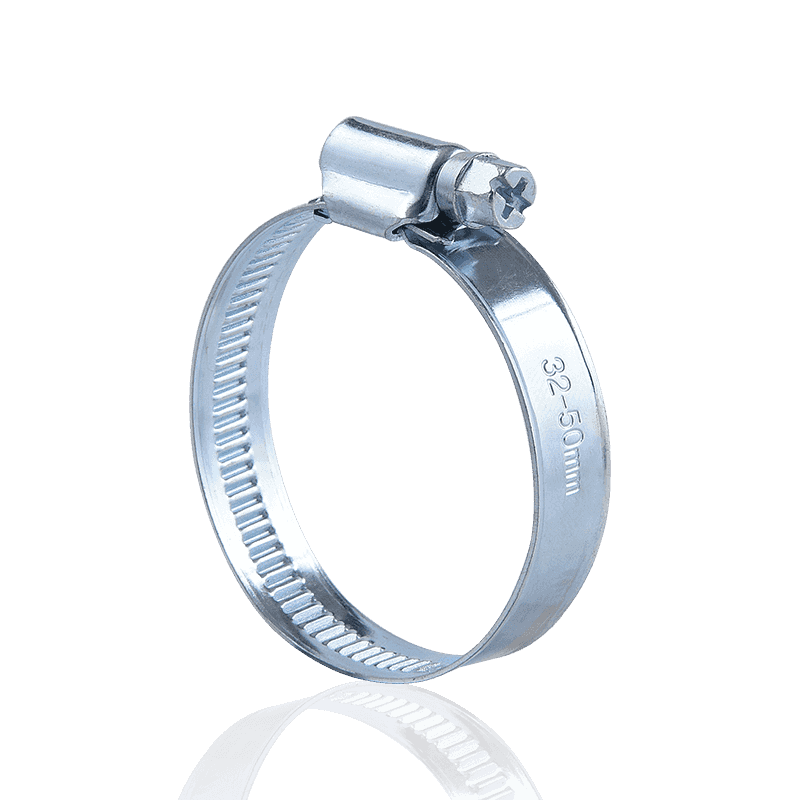
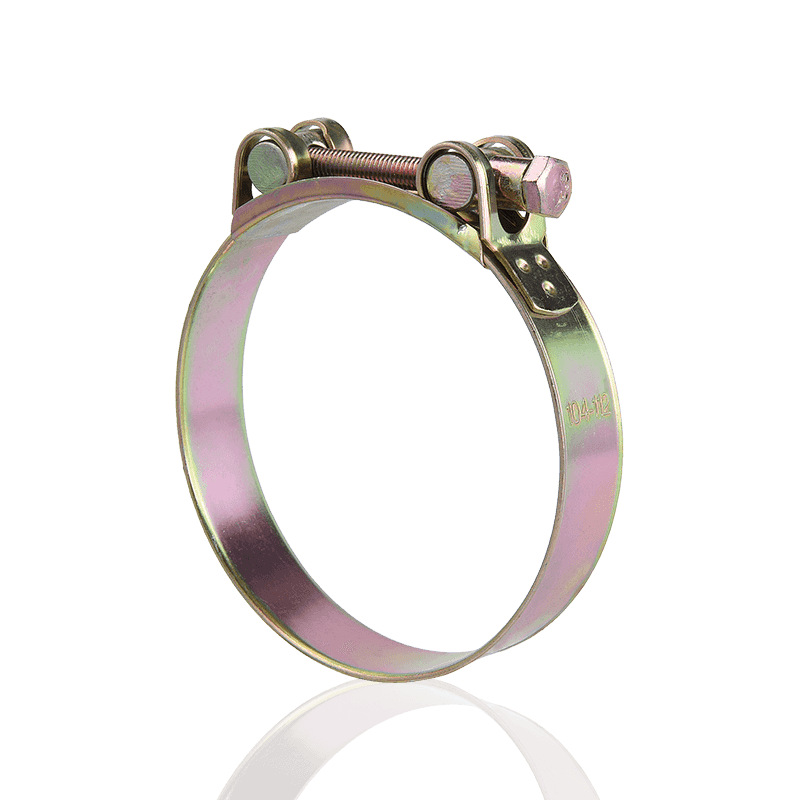
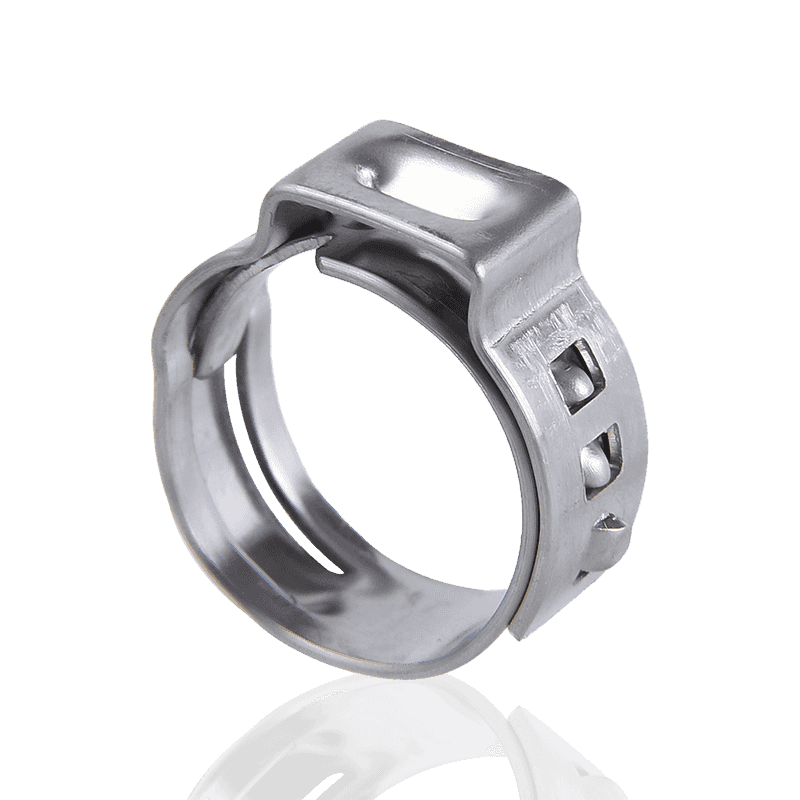
The factory produces and sells a complete range of clamp series including British style, German style, American style, strong style, and single ear clamps. Custom manufacturing is available to client specifications. All products are designed and tested for strong resistance, high-pressure resistance, and corrosion resistance, serving applications in automobiles, tractors, ships, gasoline engines, diesel engines, and sprinkler irrigation systems — as well as building structure sewer interfaces.
With advanced production equipment, complete testing methods, and a reliable quality management system, Cixi Hengtuo Hardware Co., Ltd. provides one-stop service from product development through production and sales. The company has maintained its founding commitment to "quality, fair price" across decades of domestic and international business, earning consistent recognition from clients worldwide. Continuous improvement and genuine customer satisfaction remain the core drivers of the factory's development.
Frequently Asked Questions
Q1. How can I tell if a Taiwan style hose clamp is genuine 304 stainless steel?
A basic magnet check provides a first indication — 304 stainless is weakly magnetic or non-magnetic, while 201 stainless attracts magnets more strongly. For confirmed grade verification, request a material test certificate (MTC) from the supplier. Reputable manufacturers provide batch-level MTCs on request. Surface finish is also a useful indicator: quality 304 SS clamps have a consistent satin or brushed finish, while substituted materials may show uneven coloring or rougher texture.
Q2. What is the difference between a worm-drive clamp and an anti-slip hose clamp?
A standard worm-drive clamp uses a smooth band that relies entirely on friction against the hose surface to maintain its rotational position. An anti-slip clamp adds embossed ridges, cross-hatching, or perforations to the band inner surface, creating mechanical interference that prevents the clamp from rotating under vibration or torque reaction. Anti-slip designs are recommended for engine bay, marine, and industrial pump applications where continuous vibration is present.
Q3. Can the same hose clamp be used for both food-grade and standard industrial applications?
No. Standard slotted-band worm-drive clamps are not suitable for direct food-contact applications because their perforations and open housing crevices trap food residue. Food-grade hose clamps use solid-band designs with fully enclosed housings, made from 316L stainless steel with a Declaration of Compliance for food-contact regulations. Using the correct clamp type is a compliance requirement, not a preference.
Q4. Why does my hose clamp loosen after a few heat cycles?
Thermal expansion causes the hose to grow in diameter when hot and contract when cool. If the clamp was installed at ambient temperature, the repeated expansion-contraction cycles gradually relax the worm thread engagement, leading to lower clamping force over time. The solution is to re-torque after the first heat cycle. For applications with wide temperature swings, a spiral (constant-tension) clamp automatically maintains load through expansion and contraction and is a more appropriate choice.
Q5. Does Cixi Hengtuo Hardware support custom hose clamp specifications?
Yes. Cixi Hengtuo Hardware Co., Ltd. offers custom manufacturing based on client drawings or technical specifications. This includes non-standard clamping diameter ranges, band widths, material grades, and housing configurations. Contact the factory with your application details and required specifications for a production feasibility assessment.
Q6. What is the correct way to select a clamp size for my hose?
Measure the outer diameter of the hose after it is installed on the fitting — this is the critical dimension, not the hose's nominal bore. Select a clamp whose adjustment range covers that OD with the screw positioned approximately in the middle of the available travel. A clamp at maximum extension places the housing directly on the hose surface, creating localized pressure and potential leakage. A clamp at minimum extension has reduced thread engagement and lower torque capacity.
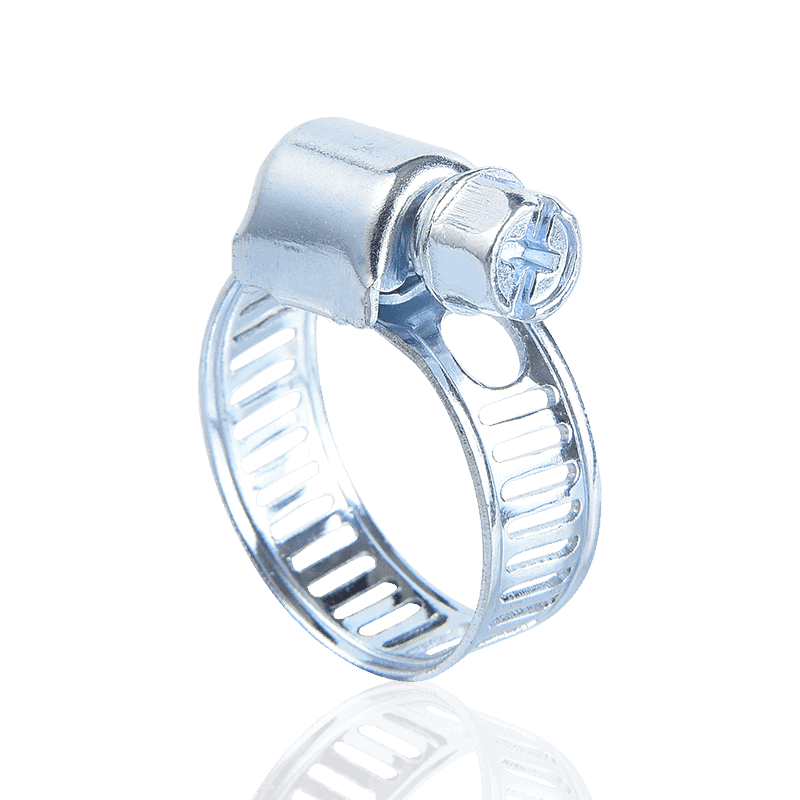
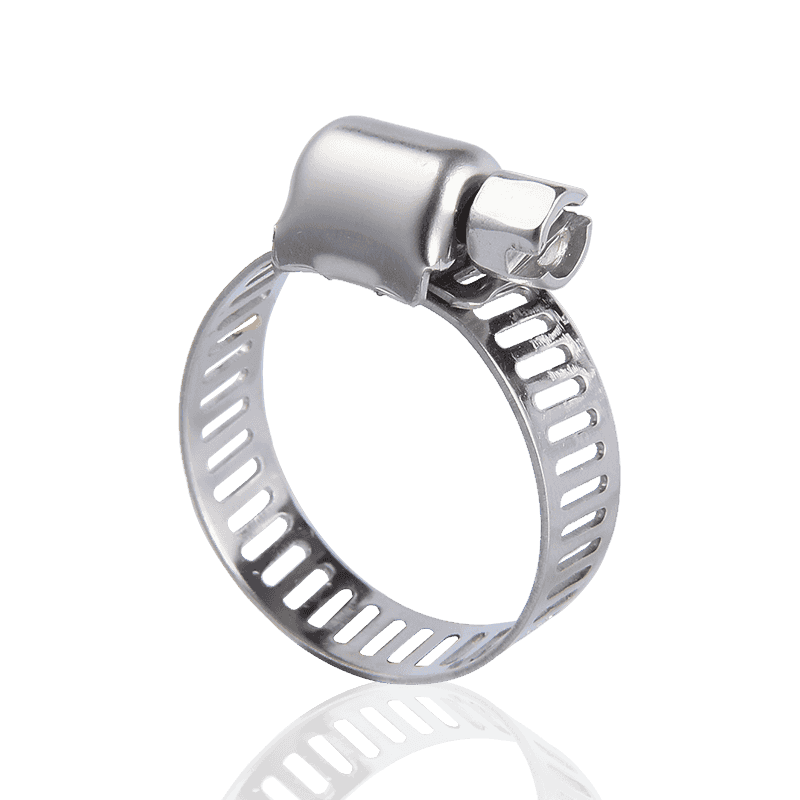
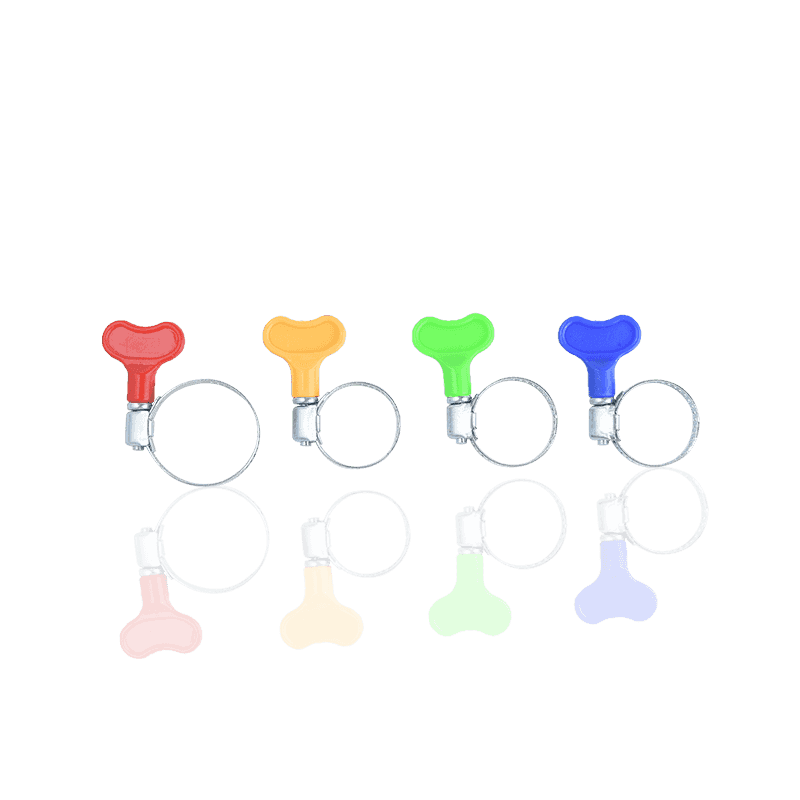
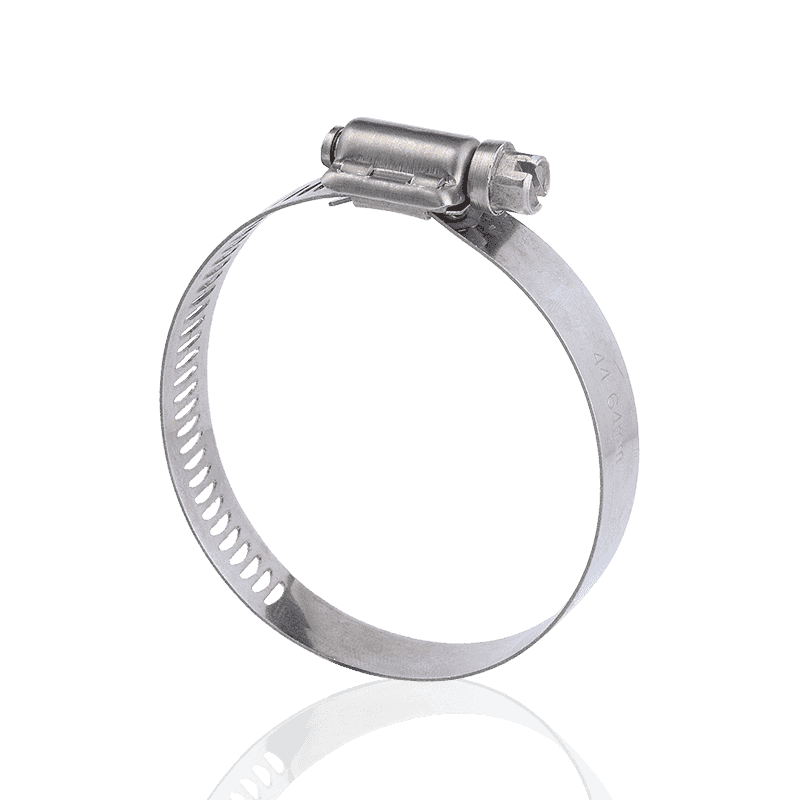

The company strives for excellence in every aspect of production, sales, and after-sales, ensuring customer satisfaction is the unchanging purpose of the enterprise!
Quick links
Product links
Contact Us
-
Address:222 Zhouhu Road, Zhouxiang Town, Cixi City, Zhejiang Province, China
-
Phone: +86-13736108443
-
Tel: +86-574-63441573
-
Fax: +86-574-63452355
-
E-mail: [email protected]
Copyright ©Cixi Hengtuo Hardware Co., Ltd. Rights Reserved. Wholesale Hose Clamp Manufacturer China Hose Clamp Factory
