

 EN
EN  English
 中文简体
中文简体News

Common Mistakes When Installing Taiwan Hose Clamps
 2026.05.15
 Industry News
The most common mistake when installing a Taiwan style hose clamp is over-tightening — it crushes the hose, causes micro-cracks, and leads to leaks within weeks. Correct installation requires the right torque, the right clamp specification, and the right material for the application. This guide covers every critical error, with data and practical techniques to help you get it right the first time.
Whether you are working with high-pressure hose clamp installation techniques on industrial machinery or fitting food-grade hose clamps in a processing line, the fundamentals of proper installation remain consistent. Mistakes cost time, money, and in some cases, safety.
- 1 Why Installation Errors Are More Common Than You Think
- 2 Mistake #1 — Over-Tightening the Clamp
- 3 Mistake #2 — Selecting the Wrong Clamp Size
- 4 Mistake #3 — Ignoring Material Compatibility
- 5 Mistake #4 — Incorrect Clamp Positioning
- 6 Mistake #5 — Skipping Re-Torque After Initial Heat Cycling
- 7 High-Pressure Hose Clamp Installation Techniques
- 8 Spiral Hose Clamp Usage Tips
- 9 Hose Clamp Maintenance and Care
- 10 About Cixi Hengtuo Hardware Co., Ltd.
- 11 Frequently Asked Questions
Why Installation Errors Are More Common Than You Think
Studies from fluid system maintenance reports indicate that over 60% of hose connection failures are not caused by product defects but by installation errors. Improper clamping leads to leaks, hose blowouts, and equipment downtime. Understanding what goes wrong — and why — is the foundation of a reliable connection.
These figures highlight a clear pattern: most failures are preventable with proper knowledge and technique. The sections below address each major error category in detail.
Mistake #1 — Over-Tightening the Clamp
Over-tightening is the single most destructive installation error. When a Taiwan hose clamp is torqued beyond the hose material's tolerance, the screw band cuts into the hose wall, creating stress concentrations that expand under pressure. This is especially damaging with high-temperature resistant hose clamps applied to silicone or rubber hoses, where the material softens under heat and becomes even more vulnerable.
Recommended tightening torque for standard worm-drive clamps ranges from 3 to 5 Nm for light-duty applications and 6 to 10 Nm for heavy-duty systems. Always use a calibrated torque screwdriver rather than tightening by feel alone.
How to Avoid It
- Use a torque-limiting screwdriver calibrated for the specific hose material.
- Check the hose for visible deformation after tightening — if the hose bulges above or below the clamp band, it is too tight.
- For anti-slip hose clamps with interior ribbing, reduce torque by approximately 10% compared to smooth-band clamps.
Mistake #2 — Selecting the Wrong Clamp Size
Understanding Taiwan hose clamp specifications is critical before purchase. A clamp that is too large cannot generate sufficient radial force even when fully tightened; one that is too small cannot close around the hose assembly. Both result in leaks.
The correct selection rule: the clamp's minimum diameter should be no more than 5 mm larger than the outer diameter of the assembled hose-on-fitting. The clamp's maximum diameter should be at least 5 mm larger than the assembly to allow installation and adjustment.
| Hose OD (mm) | Recommended Clamp Range (mm) | Typical Application |
|---|---|---|
| 16–20 | 16–25 | Light fluid lines, irrigation |
| 25–38 | 25–45 | Automotive coolant, sprinkler systems |
| 38–60 | 38–65 | Industrial oil/gas, diesel engine hoses |
| 60–90 | 60–100 | Heavy-duty marine, tractor hydraulics |
When using adjustable hose clamps, always confirm the adjustment range covers your assembly diameter with at least 3 mm of margin on each side. This ensures consistent clamping force and allows for thermal expansion in high-temperature environments.
Mistake #3 — Ignoring Material Compatibility
Many installers overlook the importance of matching clamp material to the operating environment. This is one of the key points in any Taiwan Hose Clamp Buying Guide — and one of the most frequently skipped steps.
Understanding the advantages and disadvantages of stainless steel hose clamps is essential. Stainless steel (304 or 316 grade) offers excellent corrosion resistance and is suitable for most industrial, marine, and outdoor applications. However, in environments with chloride exposure (such as coastal or chemical processing sites), 316-grade stainless is significantly more appropriate, as 304-grade can show surface pitting within 12–18 months.
For applications involving food processing or pharmaceuticals, food-grade hose clamps made from 316L stainless steel with smooth interior bands are mandatory — standard clamps with sharp band edges can harbor bacteria and contaminate product lines.
For highly corrosive chemical environments, recommended corrosion-resistant hose clamps include fully encapsulated plastic-coated bands or titanium-alloy options. Discuss your application conditions with a Taiwan hose clamp manufacturer direct sales representative to confirm the best specification for your use case.
Mistake #4 — Incorrect Clamp Positioning
Clamp position on the hose-fitting assembly directly determines sealing effectiveness. The correct placement is 8 to 13 mm from the end of the hose. Positioning too close to the edge causes the hose to split under pressure; positioning too far inward reduces sealing force at the critical leak point where the hose meets the fitting bead.
Positioning Rules for Specific Clamp Types
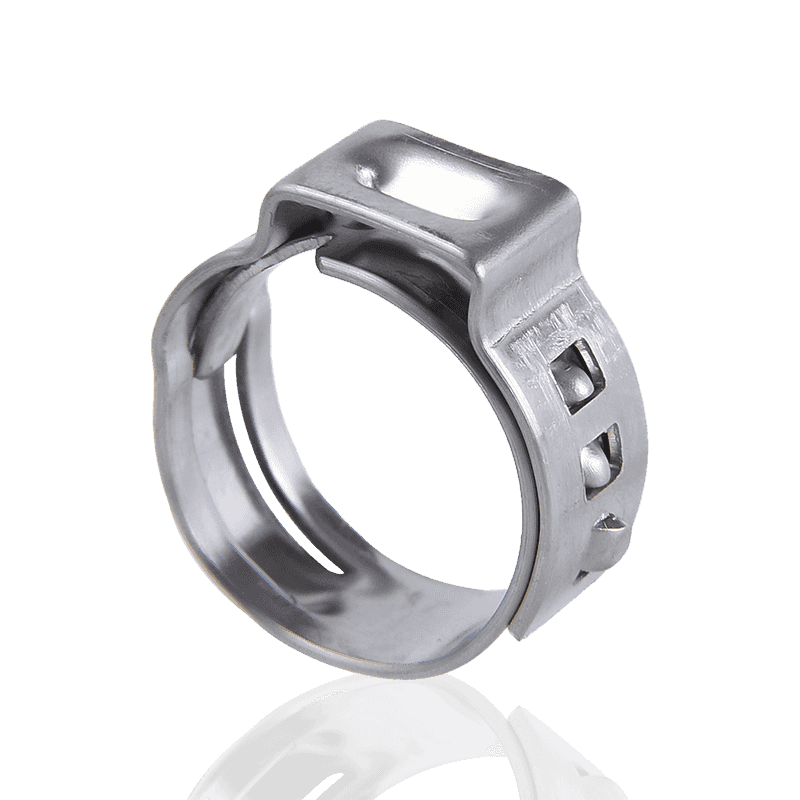
- Single-ear clamps: Position over the center of the fitting bead; do not place in the groove before crimping.
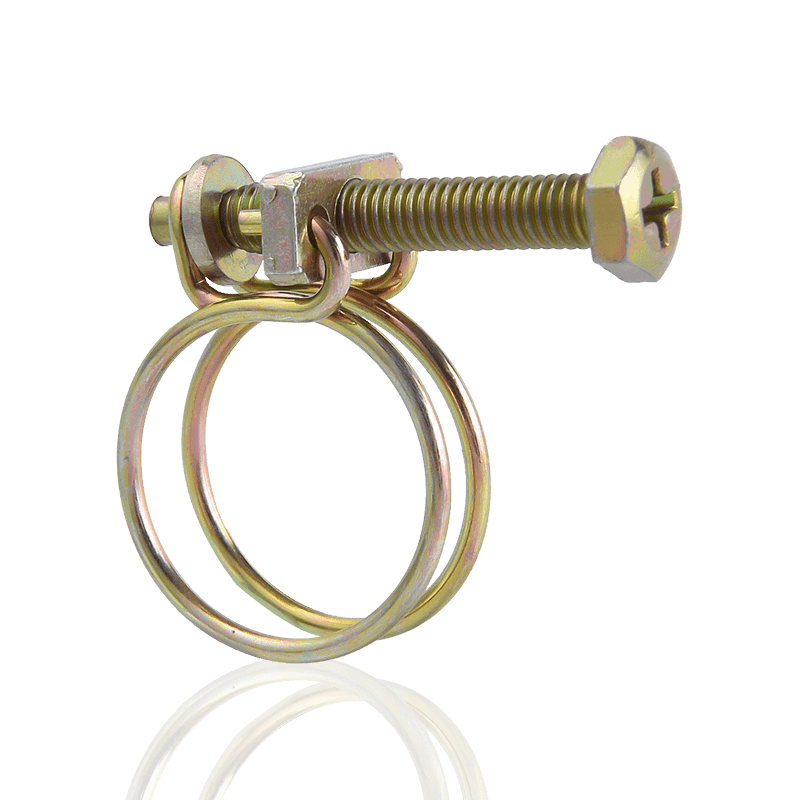
- Spiral hose clamps: Align the first coil with the fitting shoulder; refer to spiral hose clamp usage tips for multi-coil overlap guidance.
- Heavy-duty clamps: For heavy-duty hose clamp installation methods, use two clamps staggered 5–10 mm apart on high-vibration applications to distribute load evenly.
Mistake #5 — Skipping Re-Torque After Initial Heat Cycling
Rubber and silicone hoses relax after initial heat exposure, causing clamp tension to drop by 15–25% after the first thermal cycle. This is especially significant for high-temperature resistant hose clamps used on engine cooling systems, exhaust ducting, or industrial steam lines.
Best practice: re-torque all clamps after the first full operating cycle (heat-up and cool-down). Schedule a re-inspection at 50 operating hours for high-load applications.
High-Pressure Hose Clamp Installation Techniques
High-pressure installations demand stricter discipline than standard fluid connections. For systems operating above 10 bar (145 psi), the following high-pressure hose clamp installation techniques are strongly advised:
- Degrease and dry all mating surfaces before clamp installation — oil contamination reduces clamping friction by up to 30%.
- Insert the hose fully over the fitting until it seats against the fitting shoulder — partial insertion is a leading cause of blowout.
- Apply clamp in the correct orientation: the worm screw housing should face outward and be positioned at the top or side — never on the underside where vibration concentrates stress.
- For pressures above 20 bar, use two staggered clamps or transition to a crimped ferrule assembly for permanent connections.
- Pressure-test the assembly at 1.5x the operating pressure for a minimum of 30 minutes before returning the system to service.
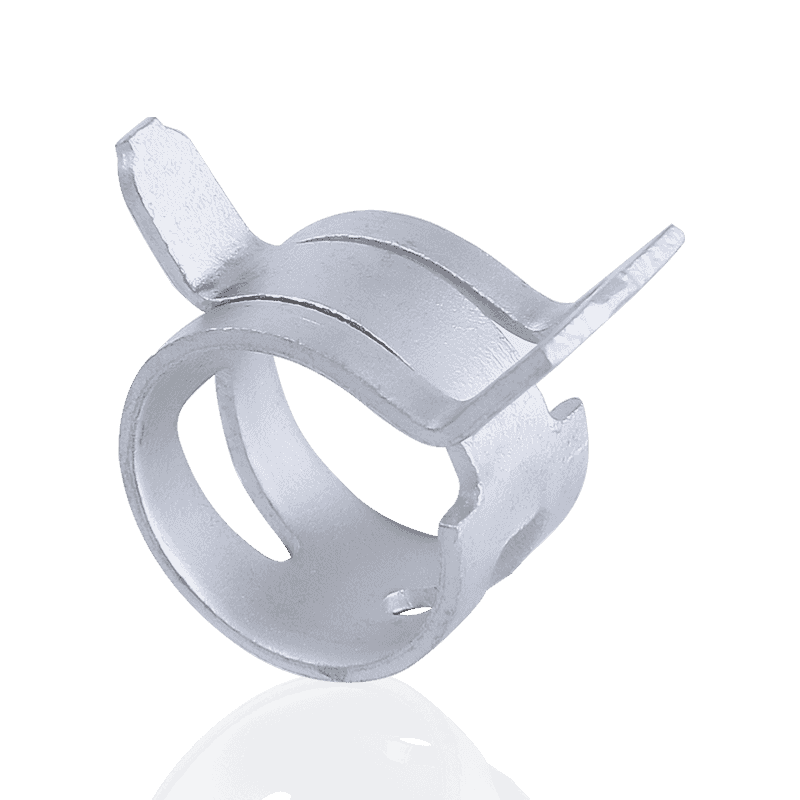
Spiral Hose Clamp Usage Tips
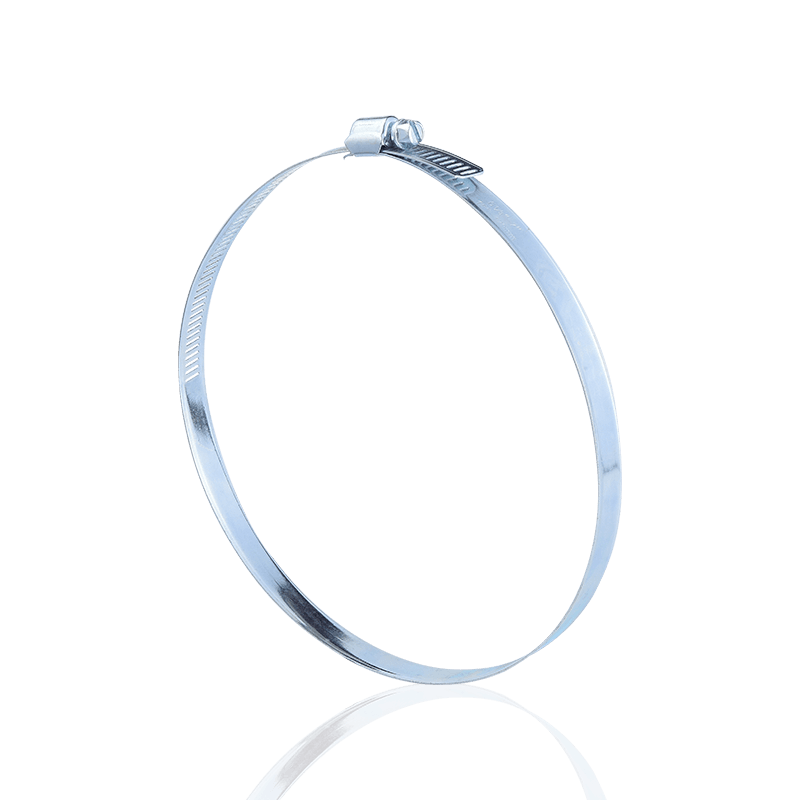
Spiral hose clamps are increasingly popular for applications requiring uniform circumferential pressure without a rigid band break point. These tips help you get the most from them:
- Confirm the spiral pitch matches the hose wall thickness — a pitch that is too wide concentrates force on the spiral edges.
- For hoses in constant flexing or bending applications, spiral clamps outperform worm-drive clamps because they maintain seal integrity through movement.
- Inspect spiral clamps every 6 months for coil separation or loss of spring tension — replace immediately if either condition is detected.
- Spiral hose clamp usage tips for high-vibration engines: pre-compress the clamp before installation by 2–3 mm to account for dynamic loosening.
Hose Clamp Maintenance and Care
Proper hose clamp maintenance and care significantly extends service life and prevents unexpected failures. A structured inspection schedule is more effective than reactive replacement.
Recommended Maintenance Schedule
| Inspection Item | Frequency | Action if Issue Found |
|---|---|---|
| Visual rust / corrosion check | Monthly | Replace clamp; review material spec |
| Torque re-check | After first heat cycle, then every 6 months | Re-torque to specification |
| Hose deformation check | Every 3 months | Replace hose and clamp together |
| Leak detection (pressure test) | Annually or after system changes | Re-seal and re-torque; inspect fitting |
For outdoor or marine environments, apply a thin coat of food-safe anti-seize compound to the screw threads of stainless clamps. This prevents galling (thread seizure) that makes clamps difficult or impossible to remove without damage — an issue that becomes critical during emergency field maintenance.
About Cixi Hengtuo Hardware Co., Ltd.
Cixi Hengtuo Hardware Co., Ltd. is a professional manufacturer of hose clamps and clamp series. Established in 2005 and located in Cixi City, Zhejiang Province, the factory employs nearly 100 people and produces approximately 30 million hose clamps annually across various series and specifications. The facility enjoys excellent logistics access: adjacent to Ningbo's Beilun International Ship Terminal to the east, Yuyao to the west, and connected to the Hangzhou Bay Bridge corridor to the north.
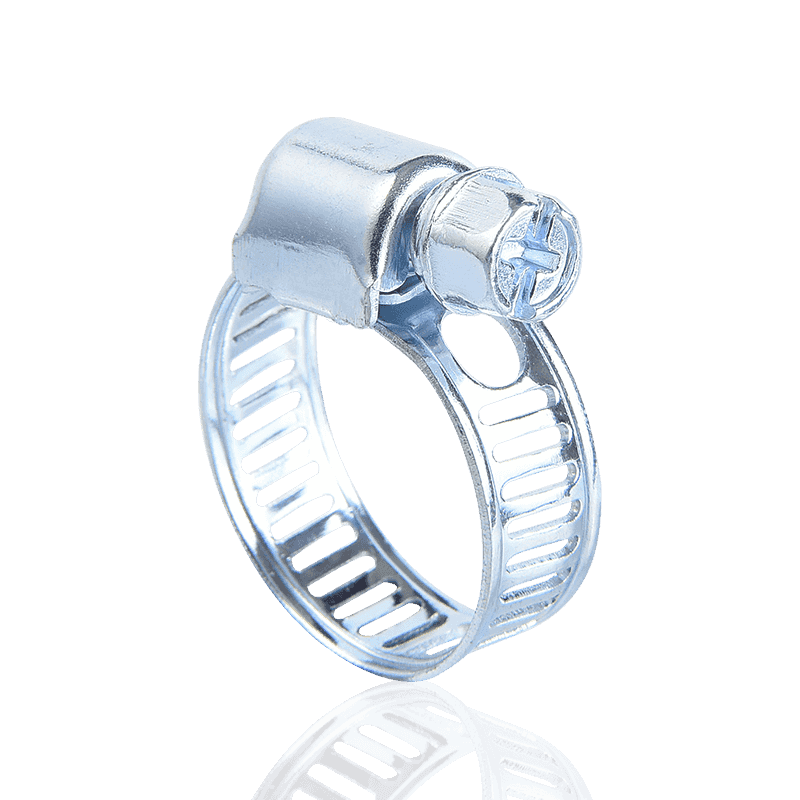
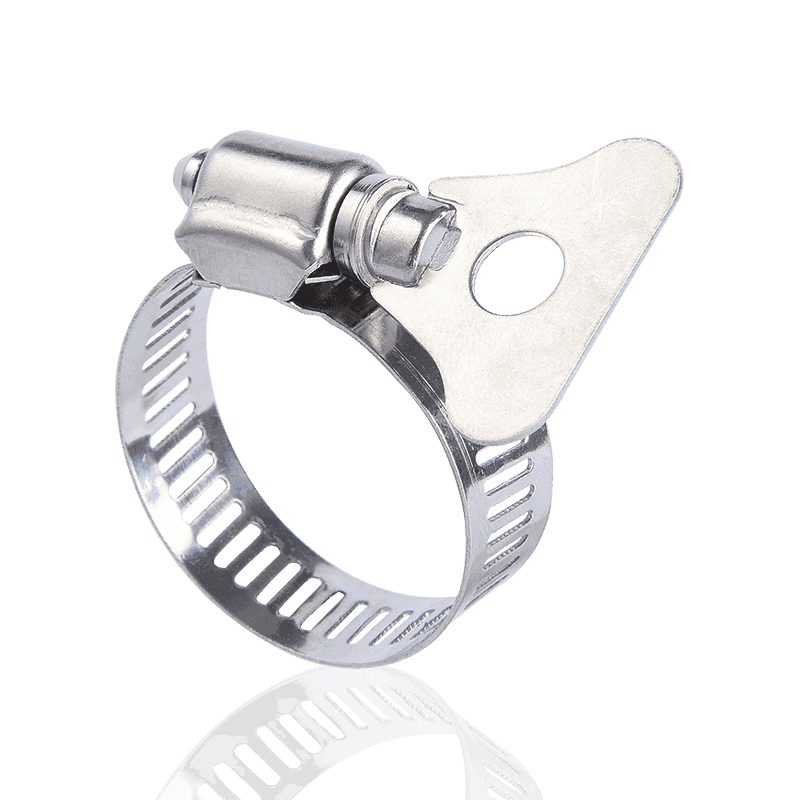
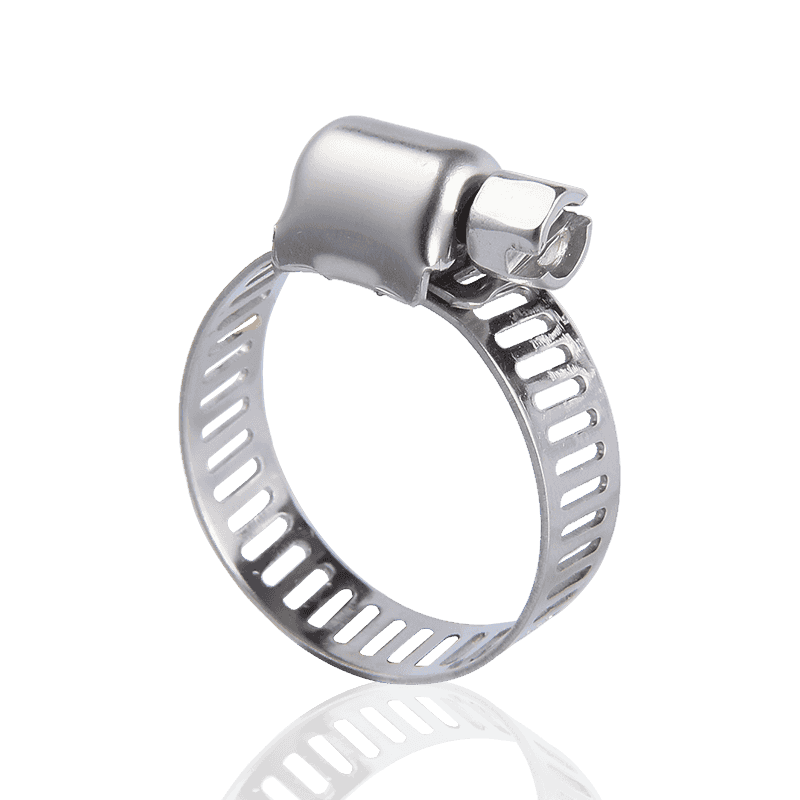
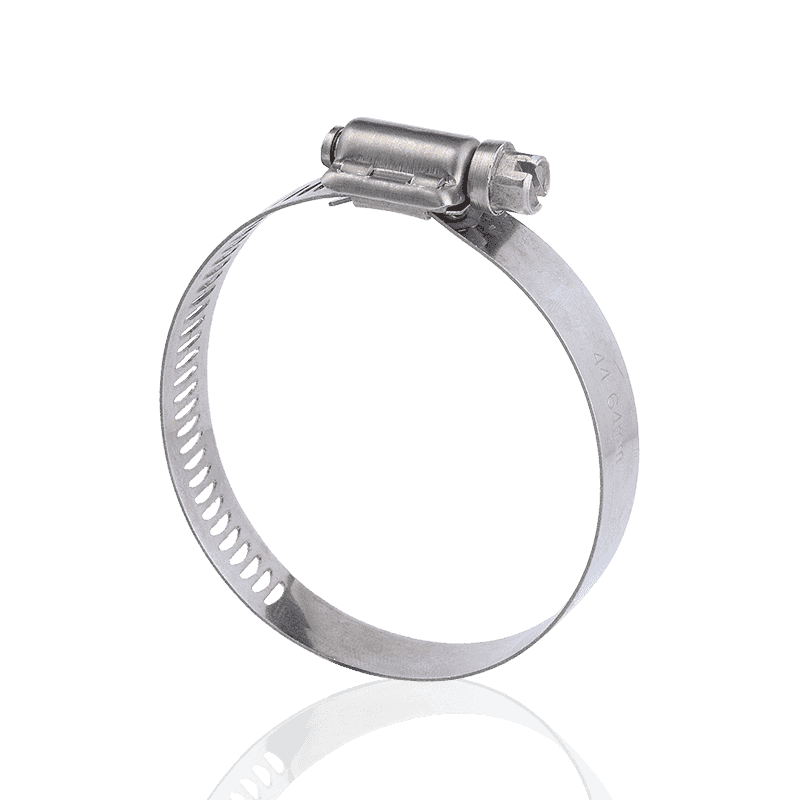
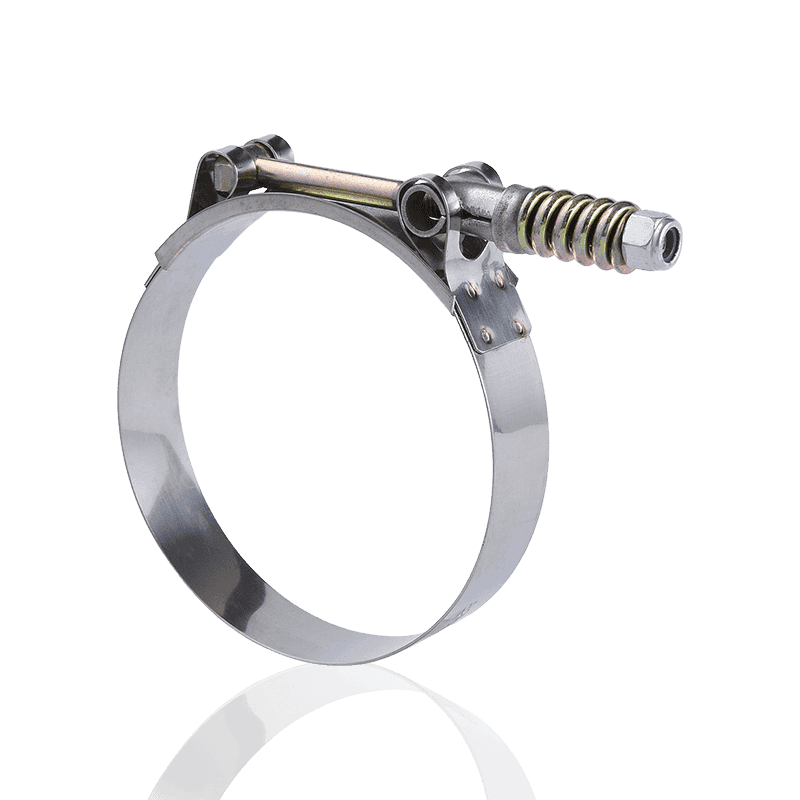
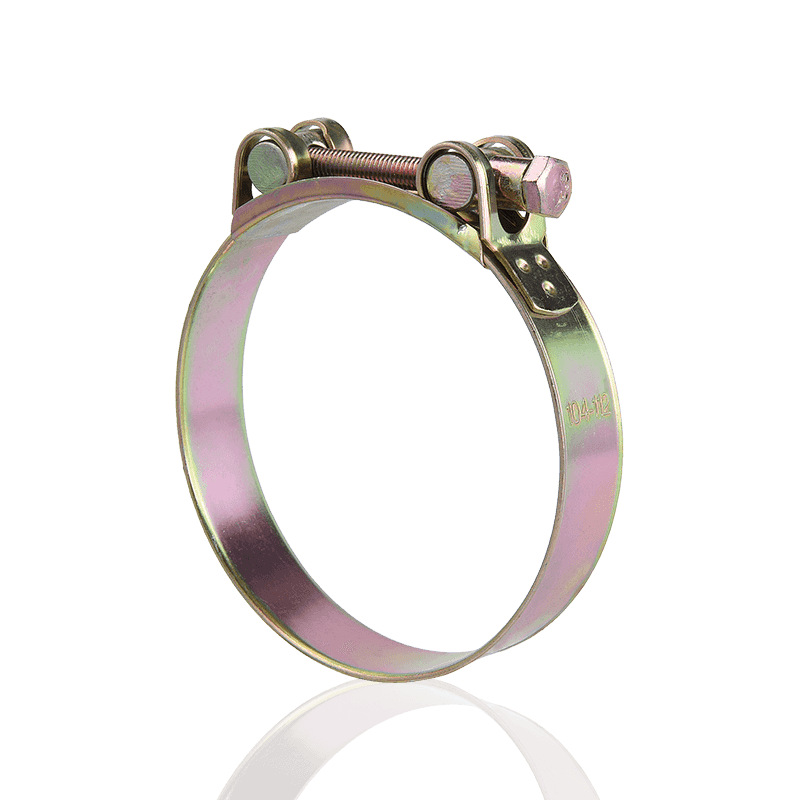
The company produces and supplies British style, German style, American style, strong style, and single ear clamps, with full customization capability to meet specific client requirements. All products offer strong resistance, high-pressure resistance, and corrosion resistance, and are applied across automotive, tractor, marine, diesel engine, gasoline engine, and sprinkler irrigation systems — as well as building structure sewer interfaces.
With advanced equipment, complete testing methods, professional design capabilities, and a reliable quality system, Cixi Hengtuo has maintained the business philosophy of "quality, fair price" for nearly two decades. Products are distributed domestically and internationally, with a strong reputation built on consistent quality and customer-first service.
Frequently Asked Questions

The company strives for excellence in every aspect of production, sales, and after-sales, ensuring customer satisfaction is the unchanging purpose of the enterprise!
Quick links
Product links
Contact Us
-
Address:222 Zhouhu Road, Zhouxiang Town, Cixi City, Zhejiang Province, China
-
Phone: +86-13736108443
-
Tel: +86-574-63441573
-
Fax: +86-574-63452355
-
E-mail: [email protected]
Copyright ©Cixi Hengtuo Hardware Co., Ltd. Rights Reserved. Wholesale Hose Clamp Manufacturer China Hose Clamp Factory
