

 EN
EN  English
 中文简体
中文简体News

What Is a Multi-Range Hose Clamp and When Should You Use It?
 2026.04.30
 Industry News
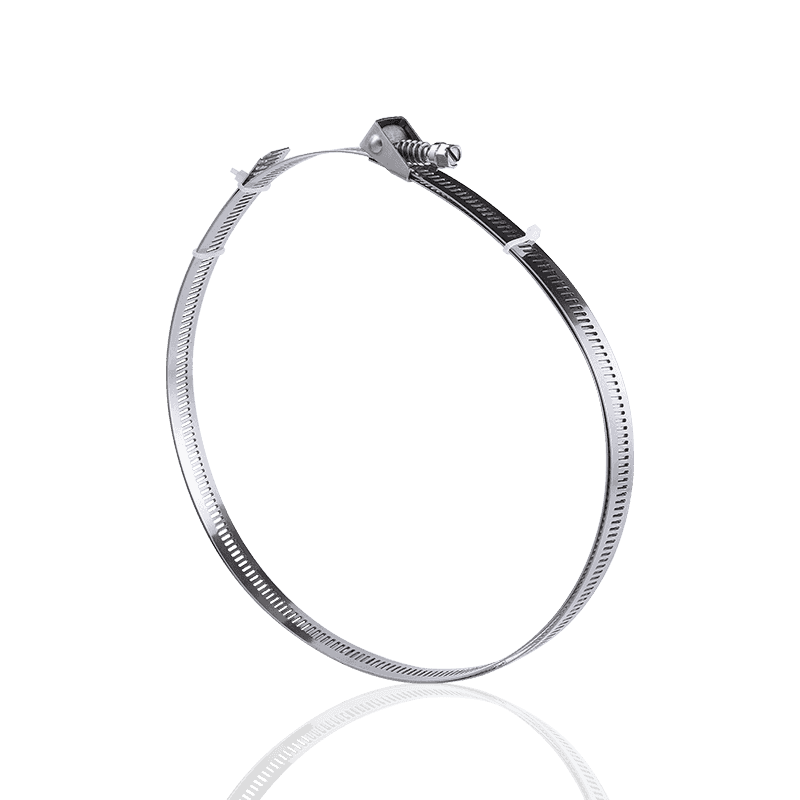
Conclusion: A multi-range hose clamp is an adjustable worm-drive clamp designed to accommodate a wide range of hose diameters within a single clamp size — typically spanning 15-20mm of adjustment range. Use it when you need flexibility for different hose sizes, temporary connections, or maintenance situations where the exact hose diameter is uncertain. Unlike fixed-size clamps, a multi range hose clamp allows one clamp to fit multiple applications, reducing inventory complexity. Referencing a multi range hose clamp size chart helps select the correct clamp for your specific hose outer diameter. This guide covers adjustable hose clamp for multiple sizes applications, from small tubing to large-diameter industrial hoses.
What Is a Multi-Range Hose Clamp?
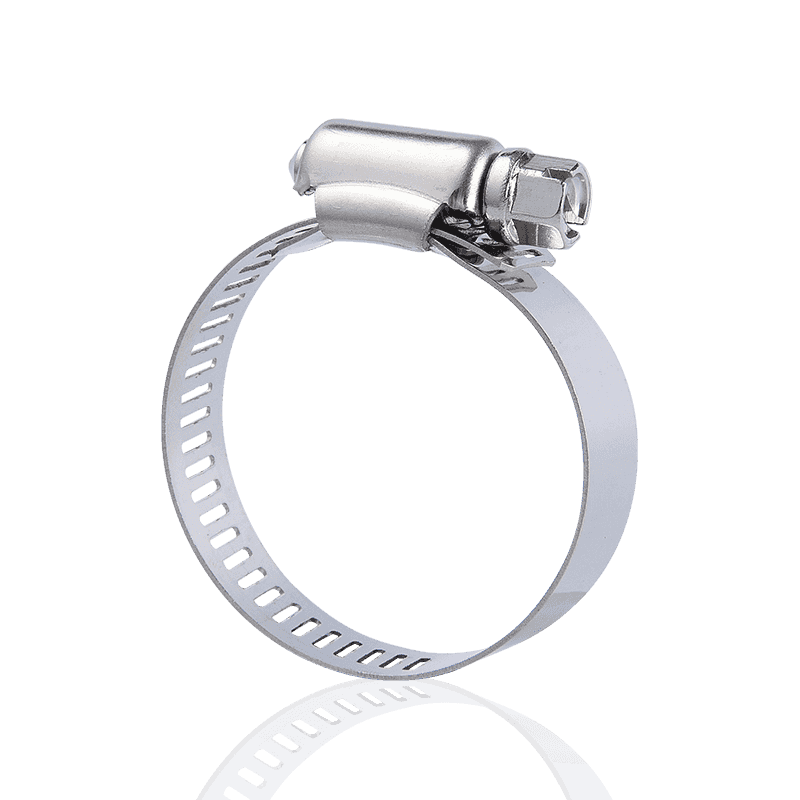
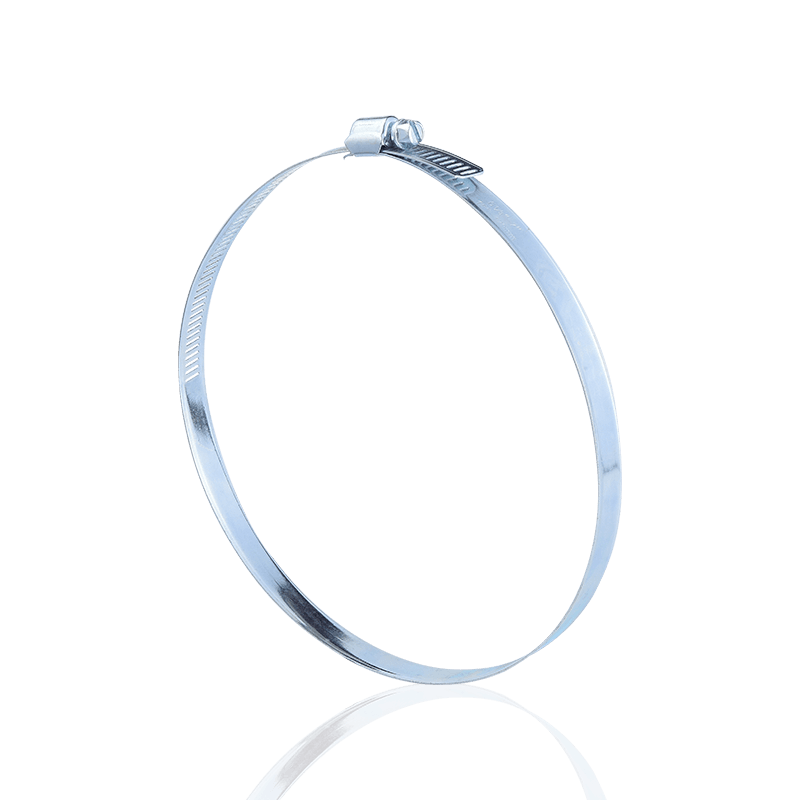
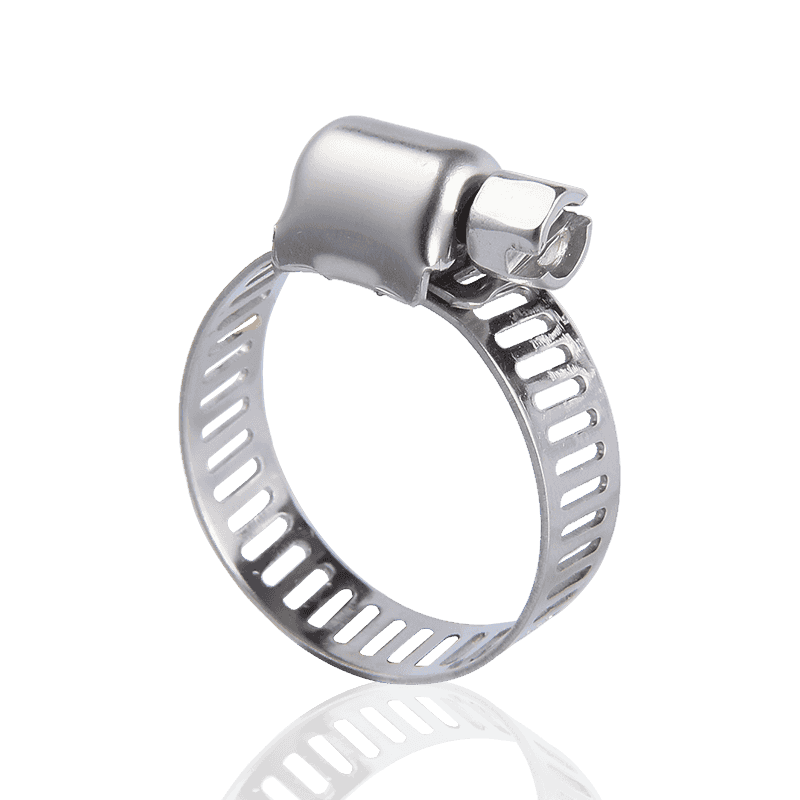
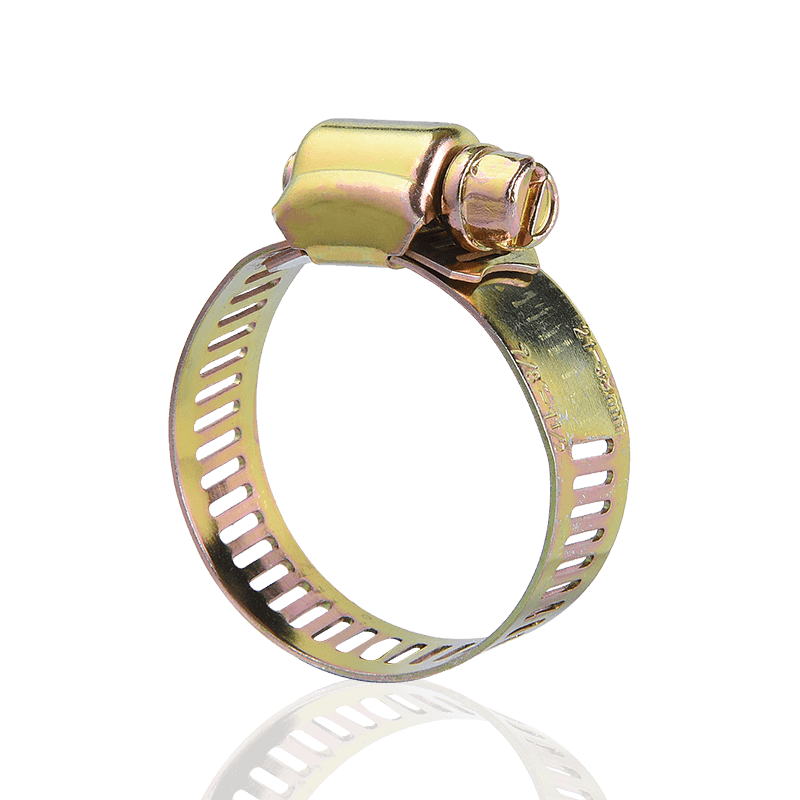
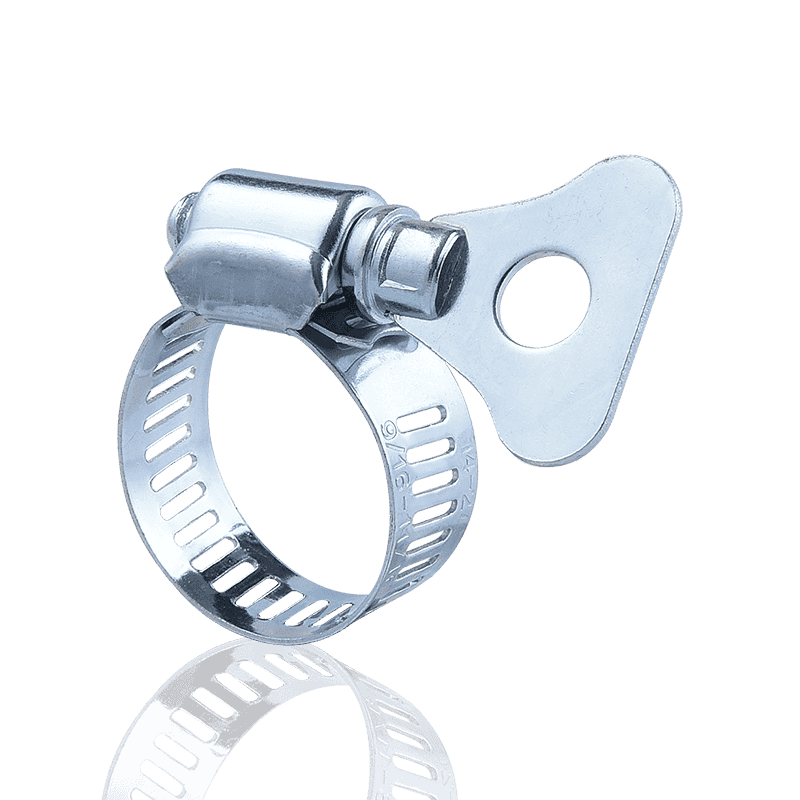
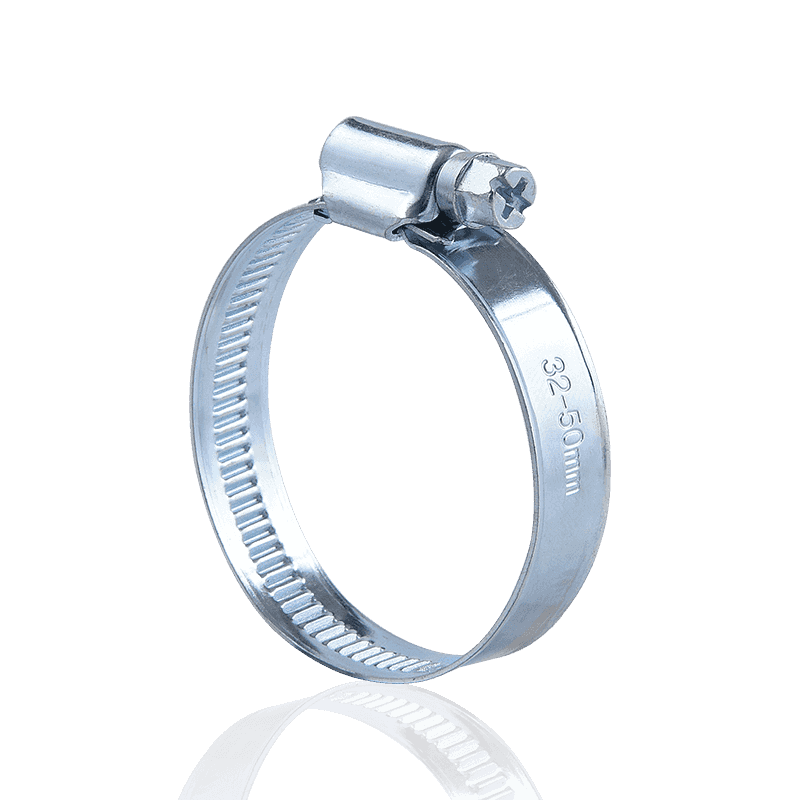
A multi range hose clamp is a type of worm-drive clamp with an extended adjustment range, typically covering a span of 15-25mm (0.6-1.0 inches) in diameter. Standard clamps usually cover only 8-12mm. This wider range allows one clamp to fit multiple hose sizes, making it ideal for repair kits, prototyping, and field maintenance.
Key Characteristics
- Extended slot pattern on the band for wider adjustment.
- Typically made from stainless adjustable hose clamp material (SS304 or SS316) for corrosion resistance.
- Available in adjustable hose clamp sizes from 10mm to over 100mm minimum diameter.
- Same worm-drive mechanism as standard clamps for easy tightening.
When Should You Use a Multi-Range Hose Clamp?
Multi-range clamps excel in specific scenarios where standard clamps would require multiple sizes. The table below outlines ideal applications.
| Application | Why Multi-Range Works Well | Example Use Case |
|---|---|---|
| Emergency Repairs | One clamp fits unknown hose sizes | Field equipment hose failure |
| Prototype Testing | Accommodates design changes without new clamps | R&D fluid systems |
| Maintenance Kits | Reduces inventory of multiple sizes | Vehicle emergency repair kits |
| Variable Hose Types | Same clamp fits different diameter hoses | Workshop compressed air lines |
| Temporary Connections | Quick installation and removal | Temporary water transfer lines |
For permanent installations where the hose diameter is precisely known, a standard clamp is often sufficient. However, a heavy duty multi range hose clamp is recommended for applications involving vibration or pressure fluctuations.
Multi-Range Hose Clamp Size Chart & Selection
Using a multi range hose clamp size chart ensures you select the correct clamp for your hose. The key measurement is the hose outer diameter (OD) when installed over the fitting. Select a clamp whose adjustment range includes this measurement, ideally in the middle 60% of its range.
| Clamp Size Code | Min Diameter (mm) | Max Diameter (mm) | Band Width (mm) | Recommended Hose OD Range |
|---|---|---|---|---|
| MR-08 | 10 | 22 | 8 | 12-18 mm |
| MR-12 | 16 | 32 | 12 | 18-28 mm |
| MR-16 | 22 | 44 | 12 | 25-38 mm |
| MR-20 | 32 | 64 | 12 | 38-55 mm |
| MR-24 | 44 | 76 | 12 | 50-68 mm |
| MR-32 | 60 | 102 | 12 | 68-90 mm |
Recommended Clamp Diameter Position for Optimal Sealing
Too Small
Risk of under-tightening
Optimal Zone
Best sealing & torque
Too Large
Band overlap issues
Select a clamp where your hose OD falls in the middle 60% of the adjustment range
For precise selection, use a hose clamp size calculator or measure the hose OD with a caliper. The best hose clamp for pipes is one where the target diameter is not at the extreme ends of the clamp's range.
Proper Installation: Hose Clamp Installation Steps
Correct installation ensures a leak-proof seal. Follow these hose clamp installation steps for reliable performance.
- Open the clamp by turning the screw counterclockwise until it slides freely over the hose.
- Position the clamp over the hose, placing it 2-5mm behind the hose bead or fitting flare.
- Turn the screw clockwise to tighten. Use a how to tighten hose clamp technique: alternate between screwdriver and nut driver for even pressure.
- Apply recommended torque (see torque guide below).
- Pressurize the system and check for leaks. If leaks occur, tighten slightly — but avoid over-tightening.
Recommended Torque Specifications by Clamp Size (Stainless Steel)
Use a torque wrench for precision — over-tightening can damage hoses or strip threads
If you encounter a hose clamp not tightening issue, check for stripped threads, band slot damage, or debris in the worm gear mechanism.
How to Adjust Hose Clamp for Different Sizes
One advantage of a multi size pipe clamp is its reusability across different hose diameters. To how to adjust hose clamp for a different size:
- Back the screw out until the clamp is fully open.
- Slide the clamp over the new hose and fitting.
- Re-tighten to the appropriate torque for the new diameter.
- Inspect the band for wear — multi-range clamps can be reused multiple times if not over-tightened.
For hose clamp for water hose or hose clamp for air hose applications, ensure the clamp material is compatible with the fluid being conveyed. Stainless adjustable hose clamp models are recommended for water exposure to prevent rust.
Frequently Asked Questions (FAQ)
Q1: How do I choose the right size from a multi range hose clamp chart?
Measure the outer diameter of your hose when installed over the fitting. Select a clamp whose adjustment range includes this measurement. For best results, the target diameter should fall in the middle 60% of the clamp's range.
Q2: What is the difference between a standard clamp and a multi-range clamp?
A standard clamp typically covers 8-12mm adjustment range. A multi range hose clamp covers 15-25mm, allowing one clamp to fit more hose sizes.
Q3: Can I use a multi-range clamp for a permanent installation?
Yes. A heavy duty multi range hose clamp is suitable for permanent installations. Ensure the clamp is made from appropriate material (stainless steel for corrosive environments) and torque is properly applied.
Q4: What should I do if my hose clamp is not tightening properly?
If a hose clamp not tightening occurs, inspect the worm gear and band slots for damage or debris. Stripped threads require clamp replacement. Do not force beyond recommended torque.
Q5: What is the recommended material for a leak proof hose clamp in wet environments?
For water or outdoor applications, use a stainless adjustable hose clamp — SS304 for general use, SS316 for marine or saltwater exposure.

The company strives for excellence in every aspect of production, sales, and after-sales, ensuring customer satisfaction is the unchanging purpose of the enterprise!
Quick links
Product links
Contact Us
-
Address:222 Zhouhu Road, Zhouxiang Town, Cixi City, Zhejiang Province, China
-
Phone: +86-13736108443
-
Tel: +86-574-63441573
-
Fax: +86-574-63452355
-
E-mail: [email protected]
Copyright ©Cixi Hengtuo Hardware Co., Ltd. Rights Reserved. Wholesale Hose Clamp Manufacturer China Hose Clamp Factory
