

 EN
EN  English
 中文简体
中文简体News

A guide to hose clamps
 2026.06.01
 Industry News
A hose clamp is a mechanical fastening device used to attach and seal a hose onto a fitting, preventing leakage of fluids or gases. Whether you are working on automotive systems, industrial pipelines, or irrigation setups, selecting the right hose clip or metal hose clamp is critical for safety and long-term performance. This guide covers everything from types and materials to installation tips and supplier selection.
Quick Answer: For most automotive and industrial applications, a stainless steel hose clamp with a worm gear mechanism offers the best combination of corrosion resistance, adjustability, and clamping strength. For lighter-duty or garden use, an adjustable hose clamp in galvanized steel is a cost-effective choice.
- 1 What Is a Hose Clamp and Why Does It Matter
- 2 Types of Hose Clamps and Their Uses
- 3 Stainless Steel vs Galvanized Hose Clamp: Which Should You Choose
- 4 How to Choose the Right Hose Clamp
- 5 Hose Clamp Installation Guide
- 6 Worm Gear Hose Clamp Advantages
- 7 Industrial Hose Clamp Applications
- 8 Reusable Hose Clamp Benefits and Long-Term Value
- 9 How to Source from a Reliable Hose Clamp Supplier in China
- 10 About Cixi Hengtuo Hardware Co., Ltd.
- 11 Frequently Asked Questions
What Is a Hose Clamp and Why Does It Matter
A hose clamp — also called a hose clip — is a device designed to attach a hose securely over a nipple or barb fitting. Without a reliable clamp, hose connections are vulnerable to blowouts, leaks, and pressure failures. In automotive engines, a failed clamp can cause coolant loss and engine overheating. In industrial settings, a loose hose under high pressure poses serious safety risks.
The global hose clamp market was valued at approximately USD 1.3 billion in 2023 and is projected to grow steadily due to expansion in the automotive, construction, and agriculture sectors. China remains the world's largest hose clamp manufacturer hub, with Zhejiang Province — particularly Cixi City — being home to many leading factories.
Types of Hose Clamps and Their Uses
Understanding the different types of hose clamps helps you choose the right one for your application. Each design offers distinct advantages in terms of clamping force, ease of installation, and suitability for specific environments.
Worm Gear Hose Clamp
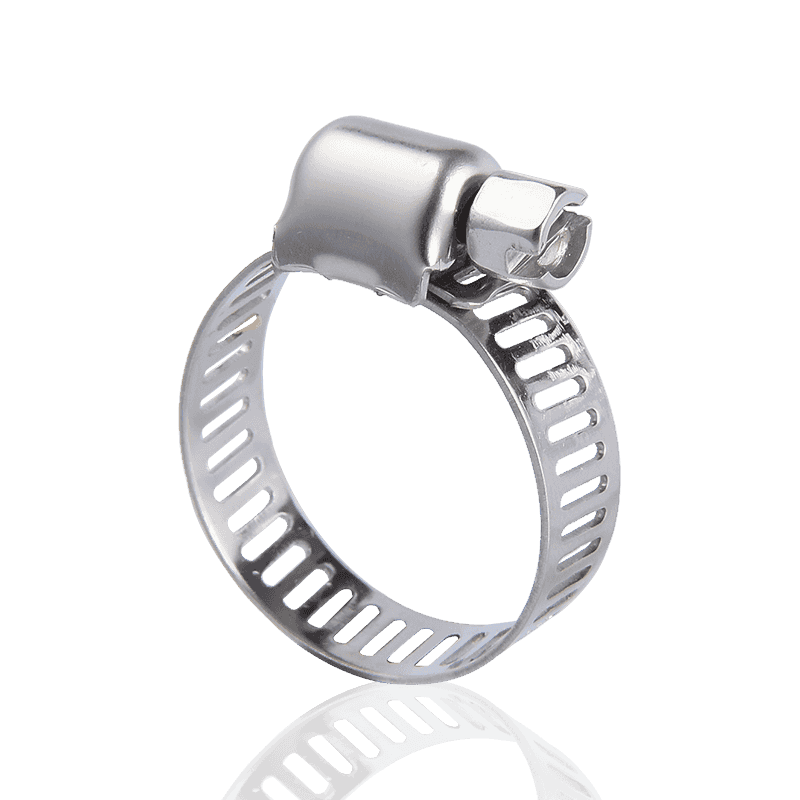
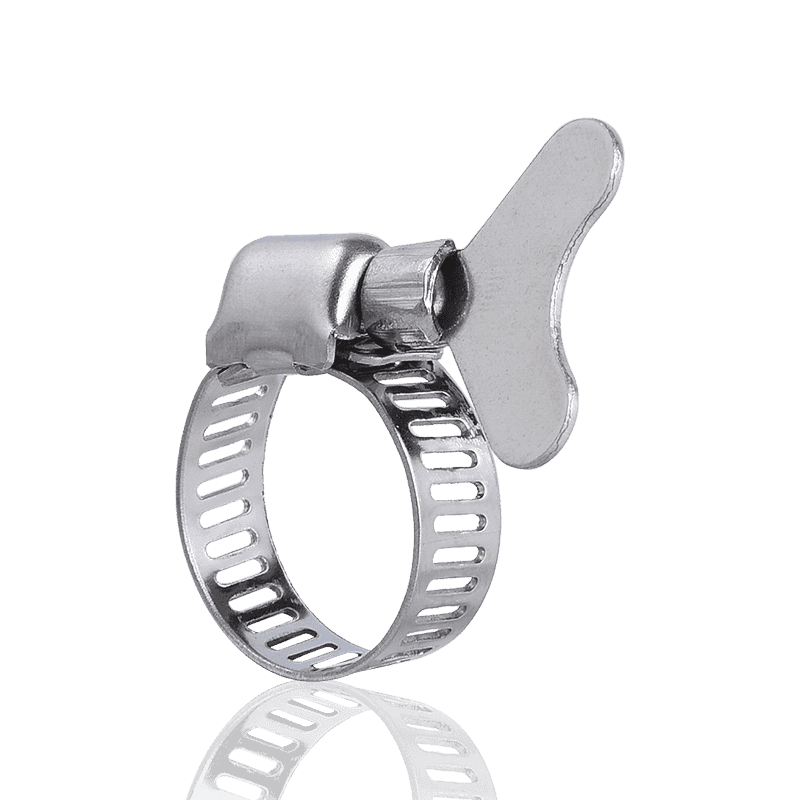
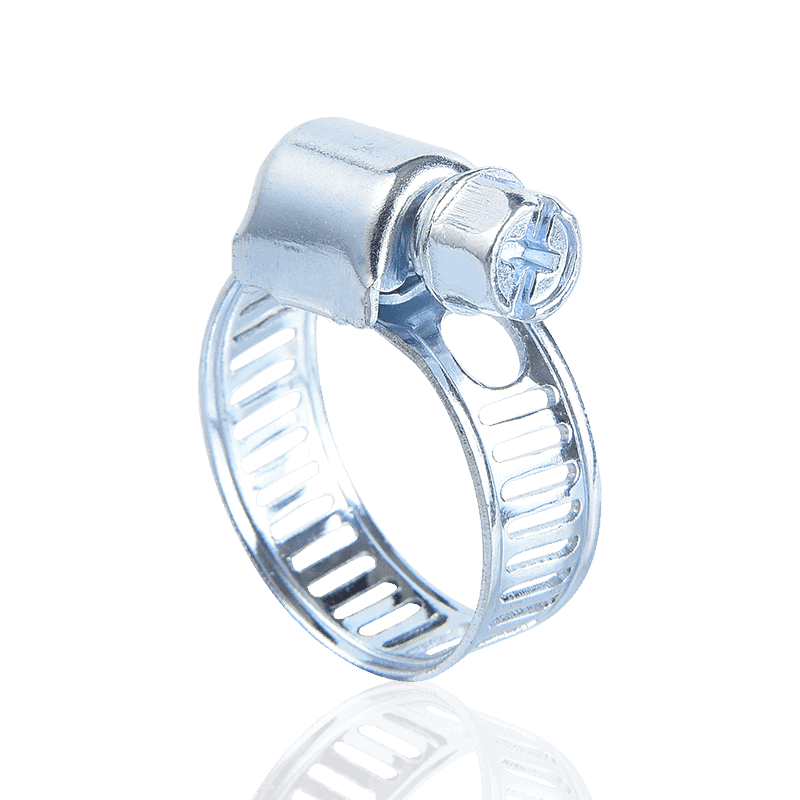
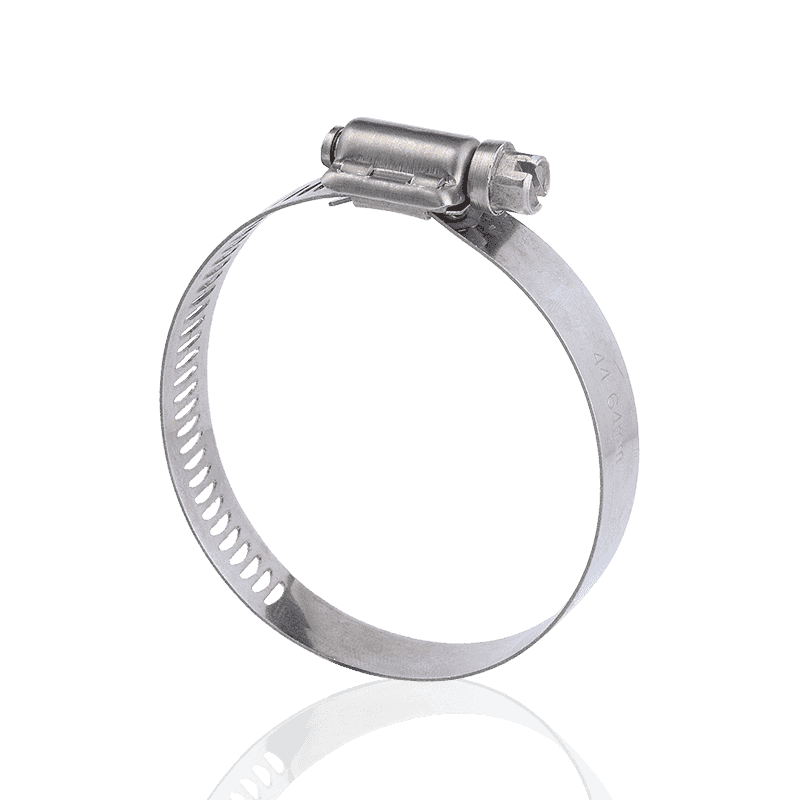
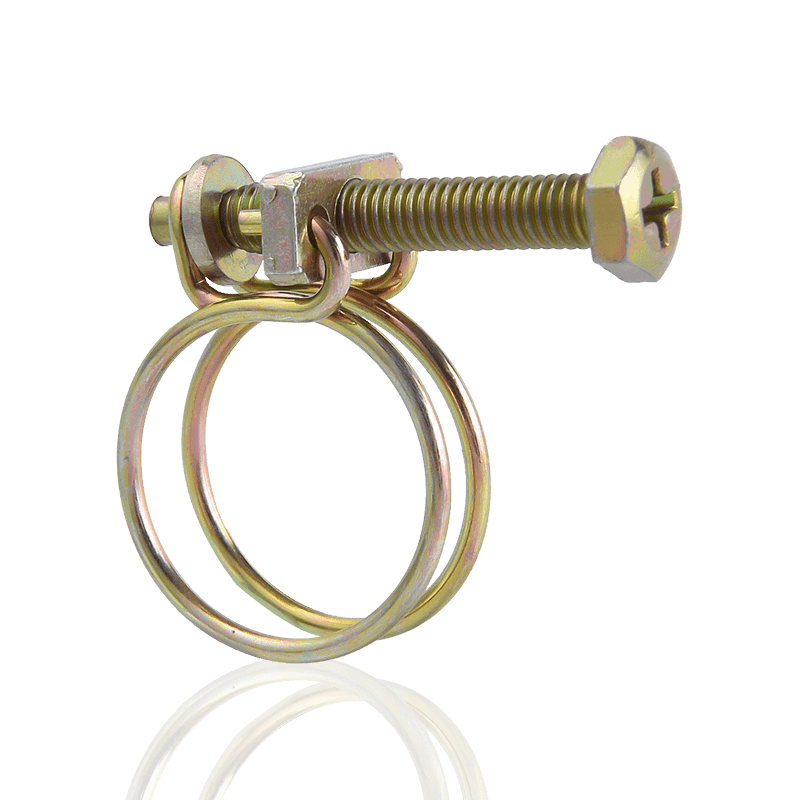
The worm gear hose clamp is the most widely used type globally. A screw-driven band tightens around the hose, providing an even, adjustable grip. It is ideal for automotive hose clamp applications — cooling systems, fuel lines, and air intake hoses — as well as plumbing and industrial fluid transfer. Its adjustable range makes it a versatile choice for various hose diameters.
Spring Clamp (British Style)
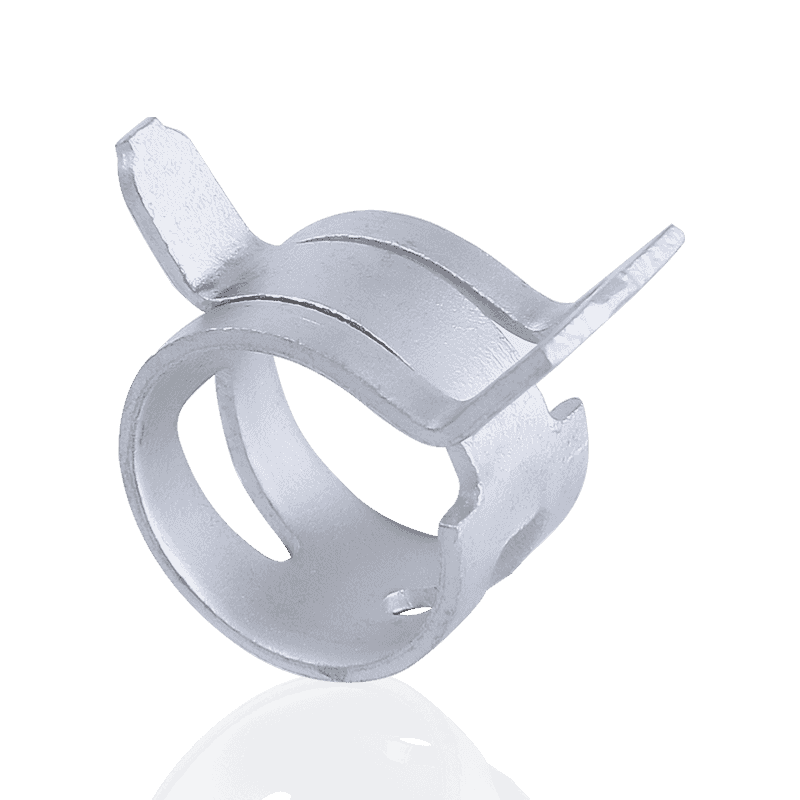
Spring clamps use the natural tension of a coiled metal band. They are commonly found in factory-installed automotive systems and self-compensate for hose expansion and contraction due to temperature changes. They require special pliers for installation and removal.
T-Bolt Clamp (Heavy Duty)
The heavy duty hose clamp T-bolt design features a solid band with a bolt and nut tightening mechanism. It delivers superior clamping force suitable for high-pressure industrial and marine applications, turbocharger intercooler hoses, and silicone couplers. Clamping pressures can exceed 200 psi in heavy-duty variants.
Single Ear Clamp
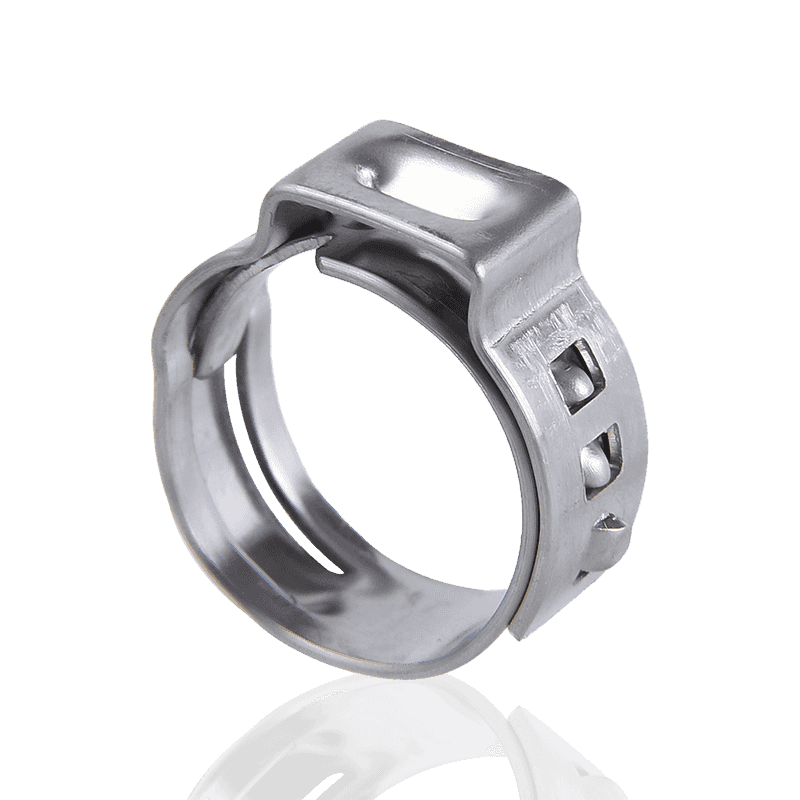
Single ear clamps are permanently crimped into place using a special tool, providing a leak-proof seal. They are widely used in fuel lines, brake hoses, and medical tubing where vibration resistance is essential. These are not reusable once installed.
American, German, and Strong Style Clamps
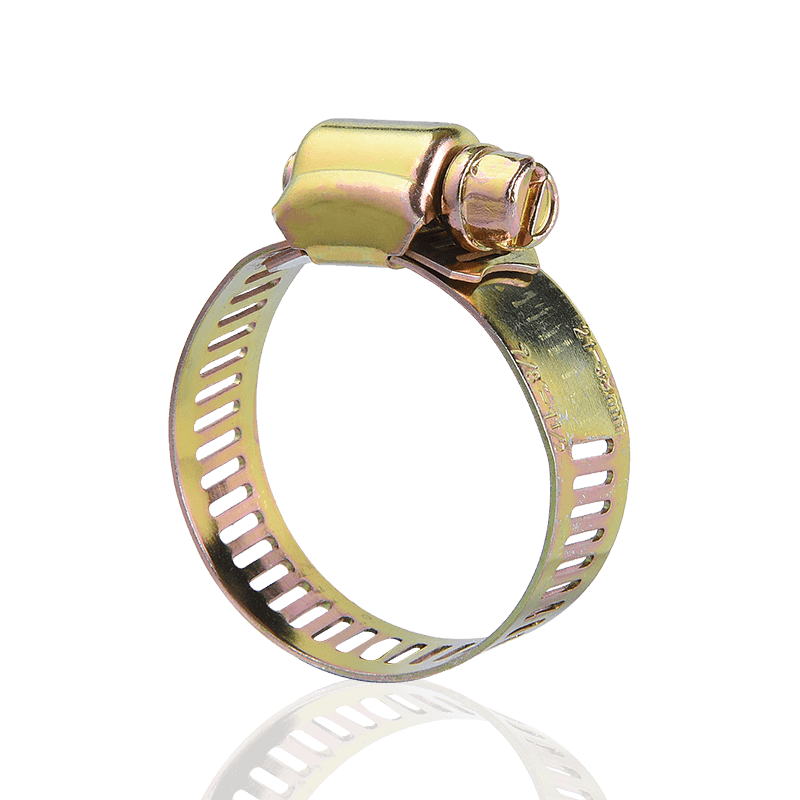
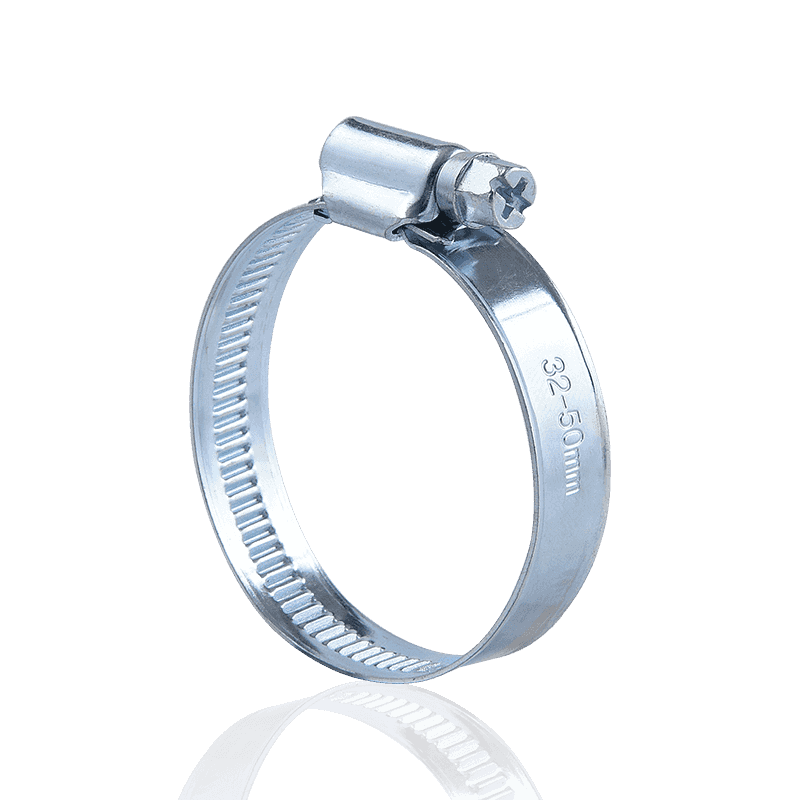
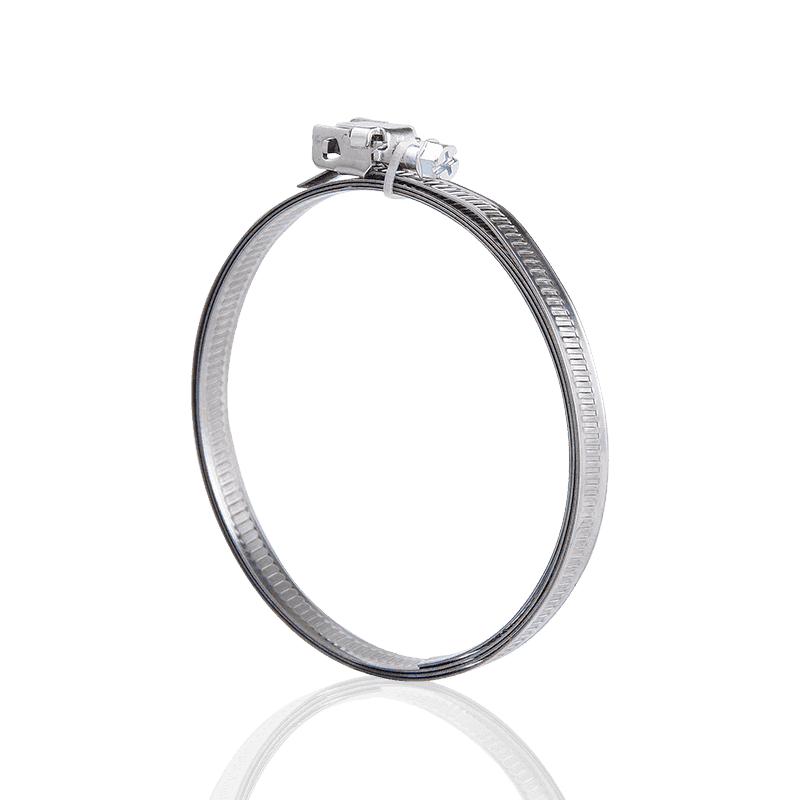
Different regional standards define the construction of hose clamps. American-style clamps typically feature a rolled edge for smooth contact; German-style clamps are known for their tight tolerance and uniform band width; strong-style clamps offer reinforced housings for extreme-torque environments. A reliable hose clamp supplier should stock all these variants.
| Type | Adjustable | Max Pressure | Reusable | Best For |
|---|---|---|---|---|
| Worm Gear | Yes | ~150 psi | Yes | Automotive, Plumbing, Garden |
| Spring Clamp | No | ~100 psi | Yes | OEM Automotive |
| T-Bolt (Heavy Duty) | Yes | >200 psi | Yes | Industrial, Turbo, Marine |
| Single Ear | No | ~80 psi | No | Fuel Lines, Medical |
Stainless Steel vs Galvanized Hose Clamp: Which Should You Choose
Material selection is one of the most important decisions when choosing a hose clamp. The two most common materials are stainless steel and galvanized steel. Each has trade-offs in cost, corrosion resistance, and application suitability.
Stainless steel hose clamps (typically 201, 304, or 316 grade) offer excellent resistance to rust, chemicals, and high temperatures. Grade 316 stainless is preferred for marine and chemical environments. A quality stainless steel hose clamp supplier will clearly specify the grade used.
Galvanized steel clamps are more economical and suitable for dry indoor environments or short-term outdoor use where corrosion exposure is limited. They are commonly used in agriculture irrigation and light construction.
- Marine / offshore: Use 316 stainless steel — highest chloride resistance
- Automotive cooling / fuel: 304 stainless or 201 stainless works well
- Indoor plumbing / HVAC: Galvanized is sufficient and more economical
- Garden irrigation / agriculture: Either works; galvanized for budget; stainless for longevity
How to Choose the Right Hose Clamp
Selecting the correct adjustable hose clamp or fixed-size clamp involves evaluating several key factors. A poor choice can lead to leaks, hose damage, or premature failure.
Step 1 — Measure Hose Outer Diameter
Always measure the outer diameter (OD) of the hose when the hose is fitted onto the nipple. The clamp's diameter range should overlap with the hose OD. Most worm gear clamps label their range (e.g., 40–60 mm) directly on the band.
Step 2 — Determine Operating Pressure and Temperature
High-pressure lines (over 100 psi) or high-temperature applications (above 120°C) require a heavy duty hose clamp with reinforced construction. Standard worm gear clamps may deform or lose tension under these conditions.
Step 3 — Consider the Environment
Saltwater, chemical exposure, or high humidity environments demand a stainless steel hose clamp rated for corrosion resistance. Coastal and marine applications should specify 316-grade stainless exclusively.
Step 4 — Evaluate Installation Method
Accessible connections benefit from worm gear clamps (simple screwdriver installation). Factory or sealed systems may use single ear or spring clamps that require specialized tools. Confirm what tooling is available before ordering.
Hose Clamp vs Zip Tie — Know the Difference
A common question is whether a zip tie can substitute for a hose clamp. The answer is generally no. Zip ties are designed for bundling, not sealing. They lack the radial clamping force needed to maintain a leak-proof seal under internal fluid pressure. For any pressurized or fluid-carrying hose, always use a proper metal hose clamp.
Hose Clamp Installation Guide
Correct installation is as important as choosing the right clamp. Improper installation is a leading cause of hose joint failure.
- Push the hose fully onto the fitting nipple or barb — a minimum of 25 mm overlap is recommended for most applications.
- Position the clamp approximately 5–10 mm from the end of the hose, avoiding the very tip to prevent hose tearing.
- For worm gear clamps, tighten with a screwdriver or nut driver to the manufacturer's specified torque — typically 3–4 Nm for standard sizes.
- Avoid overtightening, which can cut into the hose material and cause cracking over time.
- Inspect the connection after the first operating cycle (heat expansion and contraction may slightly loosen the clamp) and re-torque if needed.
- For reusable clamps, always inspect the band and screw housing for wear or corrosion before reinstalling.
Worm Gear Hose Clamp Advantages
Among all clamp types, the worm gear hose clamp dominates both the automotive hose clamp and industrial hose clamp segments. Its key advantages include:
- Wide adjustment range: A single clamp can fit multiple hose sizes, reducing inventory needs
- Tool-free removal: Standard screwdriver access makes maintenance simple
- Reusable: The adjustable design allows re-torquing and reuse without replacement
- Consistent clamping force: The screw mechanism provides even band tension around the hose circumference
- Widely available: Available from virtually any hose clamp wholesale distributor or online platform
Industrial Hose Clamp Applications
In industrial environments, hose clamps serve a wide range of critical functions. The right industrial hose clamp manufacturer partner ensures products meet appropriate pressure ratings and material standards for each specific use case.
Automotive Systems
The automotive sector is the largest consumer of hose clamps. Each modern vehicle uses an average of 15–25 hose clamp connections, spanning cooling systems, air intake, fuel delivery, power steering, and brake fluid lines. The demand for a reliable hose clamp for automotive use grows in step with global vehicle production, which exceeded 85 million units in 2023.
Agricultural and Irrigation Systems
Sprinkler irrigation systems, drip lines, and pump connections rely on adjustable hose clamps for garden hoses and agricultural tubing. The clamp must withstand UV exposure, soil contact, and variable water pressures. Stainless clamps are preferred for exposed outdoor lines where longevity matters.
Marine and Shipbuilding
Marine applications demand the highest corrosion resistance. Both intake and exhaust systems on vessels use hose connections sealed with 316 stainless steel clamps. Cixi-based manufacturers with marine certifications are a strong sourcing option for shipbuilders and offshore equipment OEMs.
Construction and Building Services
Sewer interfaces, drainage fittings, and HVAC ducting in building structures require durable clamping solutions. Heavy duty hose clamps with wide bands distribute pressure evenly over flexible PVC or rubber drainage hoses, preventing joint failure in buried or concealed installations.
Reusable Hose Clamp Benefits and Long-Term Value
Choosing a reusable hose clamp — particularly worm gear and T-bolt designs — provides meaningful long-term advantages beyond the initial installation. For maintenance-heavy fleets or industrial facilities with frequent hose replacements, this translates to measurable cost savings.
- Reduced downtime: No need to carry replacement clamps for every service — a quality stainless clamp can be reused dozens of times
- Lower waste: Reusable metal clamps reduce consumable waste compared to single-use crimp types
- Adjustability: As hoses wear and compress over time, an adjustable clamp can be re-tightened without replacement
- Inspection visibility: Re-torqueable clamps allow easy visual inspection of the sealing band condition
Studies from fleet maintenance programs suggest that switching from single-use to reusable clamp systems can reduce hose connection maintenance costs by up to 30% over a five-year period in high-turnover applications.
How to Source from a Reliable Hose Clamp Supplier in China
China is the world's leading source for hose clamp wholesale supply, with Zhejiang and Guangdong provinces being primary manufacturing clusters. When evaluating a hose clamp supplier in China, the following criteria help ensure product quality and supply chain reliability.
- Factory certifications: Look for ISO 9001 quality management certification and relevant material certifications (e.g., material test reports for stainless grade)
- Production capacity: A credible industrial hose clamp manufacturer should produce at minimum several million units annually to ensure consistent supply
- Style coverage: A full-range supplier offers British, German, American, strong, and single ear styles to support all your sourcing needs from one vendor
- Customization capability: OEM buyers often need custom band widths, screw housing designs, or branded packaging
- Logistics proximity: Proximity to major ports — such as Ningbo Beilun — significantly reduces lead times and shipping costs
When requesting samples from a stainless steel hose clamp supplier, specify the exact grade, diameter range, band width, and target torque specification to ensure the sample matches your actual application requirements.
About Cixi Hengtuo Hardware Co., Ltd.
Cixi Hengtuo Hardware Co., Ltd. is a professional manufacturer of hose clamps and clamp series products, established in 2005. With nearly 100 employees and an annual production capacity of 30 million hose clamps across various series, the factory is located in Cixi City, Zhejiang Province — a strategically connected manufacturing hub.
Geographically, the facility benefits from excellent logistics access: adjacent to Beilun International Ship Terminal in Ningbo to the east, close to Yuyao to the west, and connected to the Hangzhou Bay Bridge to the north. This location makes Cixi Hengtuo an efficient and cost-competitive hose clamp supplier for both domestic and international customers.
The factory produces a full range of clamp types including British style, German style, American style, strong style, and single ear clamps, with custom manufacturing available to meet specific buyer requirements. All products demonstrate strong resistance, high-pressure resistance, and corrosion resistance — suitable for use in automotive, tractor, marine, diesel engine, gasoline engine, and irrigation system applications.
With advanced production equipment, comprehensive testing methods, and professional design capabilities, Cixi Hengtuo has maintained a consistent business philosophy of quality and fair price, earning a solid reputation among domestic and international trade partners. As an experienced adjustable hose clamp manufacturer and worm gear hose clamp wholesale supplier, the company remains committed to continuous improvement and customer satisfaction.
Frequently Asked Questions

The company strives for excellence in every aspect of production, sales, and after-sales, ensuring customer satisfaction is the unchanging purpose of the enterprise!
Quick links
Product links
Contact Us
-
Address:222 Zhouhu Road, Zhouxiang Town, Cixi City, Zhejiang Province, China
-
Phone: +86-13736108443
-
Tel: +86-574-63441573
-
Fax: +86-574-63452355
-
E-mail: [email protected]
Copyright ©Cixi Hengtuo Hardware Co., Ltd. Rights Reserved. Wholesale Hose Clamp Manufacturer China Hose Clamp Factory
