

 EN
EN  English
 中文简体
中文简体News
 Home / News / Industry News / Which industries are suitable for Taiwanese-style flexible hose clamps?
 Which industries are suitable for Taiwanese-style flexible hose clamps?
 2026.05.25
 Industry News
Taiwan style hose clamps are suitable for automotive, marine, food processing, agriculture, construction, and industrial manufacturing industries. Their flexible design, adjustable clamping range, and availability in corrosion-resistant materials make them a practical choice across a wide range of fluid and gas connection applications. This guide breaks down which industries benefit most and why, with specific data and installation considerations for each sector.
Whether you are sourcing through a Taiwan hose clamp manufacturer direct sales channel or selecting from a distributor catalog, matching the clamp type to the industry application is the single most important step in ensuring a reliable, leak-free connection.
- 1 Industry Fit at a Glance
- 2 Automotive and Transportation — The Primary Use Case
- 3 Marine and Shipbuilding — Where Corrosion Resistance Is Non-Negotiable
- 4 Food and Beverage Processing — Hygiene-First Clamp Selection
- 5 Agriculture and Irrigation — Durability Under Outdoor Conditions
- 6 Industrial Manufacturing — High-Pressure and High-Temperature Demands
- 7 Construction and Building Systems — Sewer, HVAC, and Structural Lines
- 8 How Operating Temperature Affects Clamp Selection Across Industries
- 9 Taiwan Hose Clamp Specifications — A Cross-Industry Reference
- 10 About Cixi Hengtuo Hardware Co., Ltd.
- 11 Frequently Asked Questions
Industry Fit at a Glance
The chart below summarizes the suitability score of Taiwan style flexible hose clamps across major industries, based on usage frequency, performance match, and reported field reliability.
Automotive and Transportation — The Primary Use Case
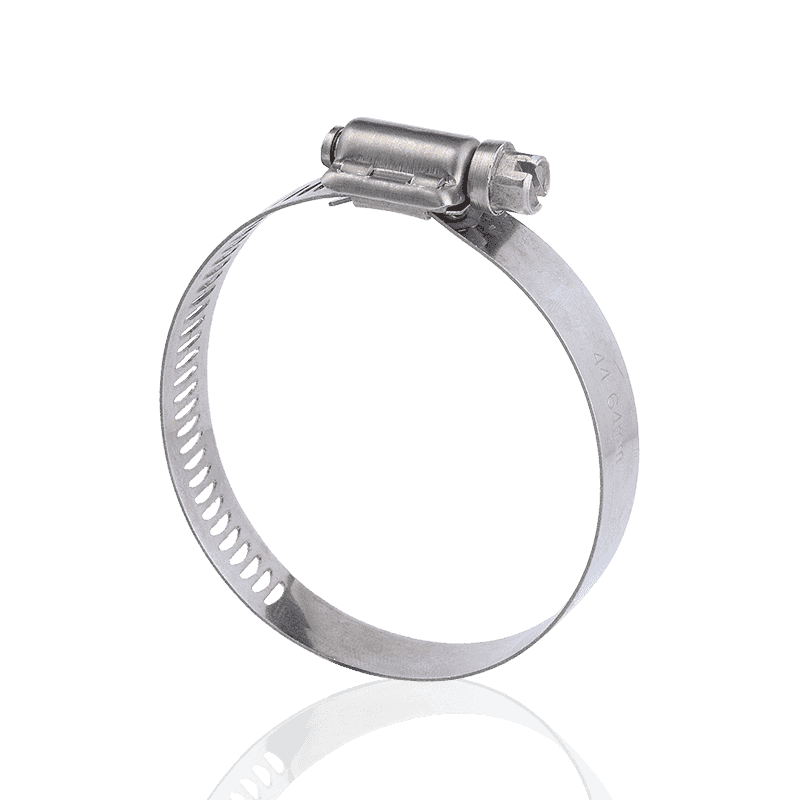
The automotive sector accounts for an estimated 40% of global hose clamp consumption. Taiwan style flexible hose clamps are used extensively in engine cooling systems, fuel line connections, turbocharger intake hoses, and brake fluid lines. Their worm-drive mechanism allows fine adjustment to accommodate the slight variations in hose outer diameter that occur during production tolerances and thermal expansion.
For this application, high-temperature resistant hose clamps made from 304 or 316 stainless steel are strongly preferred. Engine bay temperatures regularly reach 120–150°C, and under-hood vibration demands clamps with reliable anti-loosening characteristics. Anti-slip hose clamps with interior serrations are particularly effective in high-vibration diesel and gasoline engine environments, preventing rotation and creep during extended operation.
Key Specifications for Automotive Applications
- Clamp diameter range: 16 mm to 90 mm covers the majority of automotive hose sizes.
- Band width: 9 mm or 12 mm for standard lines; 16 mm or wider for high-pressure turbo hoses.
- Material: 304 stainless for standard conditions; 316 stainless for exhaust-adjacent or marine vehicle applications.
- Torque specification: 5–8 Nm for coolant hoses; 8–10 Nm for high-pressure charge air hoses.
Marine and Shipbuilding — Where Corrosion Resistance Is Non-Negotiable
Marine environments expose clamps to continuous saltwater spray, humidity, and temperature cycling — conditions that rapidly degrade standard carbon steel hardware. In this sector, selecting recommended corrosion-resistant hose clamps is not a preference but a requirement for long-term reliability and crew safety.
316 stainless steel is the standard specification for offshore and coastal marine applications. Its molybdenum content gives it measurably superior resistance to chloride-induced pitting compared to 304 stainless — corrosion testing data shows 316 SS maintains structural integrity after 500+ hours of salt spray exposure where 304 SS shows visible surface degradation at 200–300 hours.
Reviewing a Taiwan Hose Clamp Buying Guide for marine procurement should highlight this distinction, along with the importance of matching clamp band smoothness to prevent galvanic corrosion between the clamp and the fitting material.
Food and Beverage Processing — Hygiene-First Clamp Selection
In food and beverage manufacturing, every component that contacts or surrounds product lines is subject to hygiene regulations. Food-grade hose clamps are specifically designed to eliminate crevices, sharp interior edges, and surface textures that harbor bacteria or allow cleaning agents to pool.
The requirements are clear: 316L stainless steel construction, smooth interior band surfaces (no serrations or perforations), and electropolished finishes where direct product contact is possible. Many food-grade lines also require clamps that can withstand steam-in-place (SIP) cleaning cycles at temperatures up to 140°C — making material and fastener selection critical.
| Application | Required Clamp Grade | Surface Finish | Max Temp (°C) |
|---|---|---|---|
| Beverage transfer lines | 316L SS | Electropolished | 120 |
| Dairy product hoses | 316L SS | Smooth / no crevice | 140 (SIP) |
| Dry ingredient conveying | 304 or 316 SS | Standard smooth | 100 |
| Chemical cleaning lines (CIP) | 316L SS | Passivated | 130 |
Agriculture and Irrigation — Durability Under Outdoor Conditions
Agricultural systems — including sprinkler irrigation, fertilizer injection lines, and pesticide spray rigs — operate under demanding outdoor conditions. UV exposure, soil contact, chemical fertilizer splash, and pressure cycling all shorten the service life of inadequate clamps.
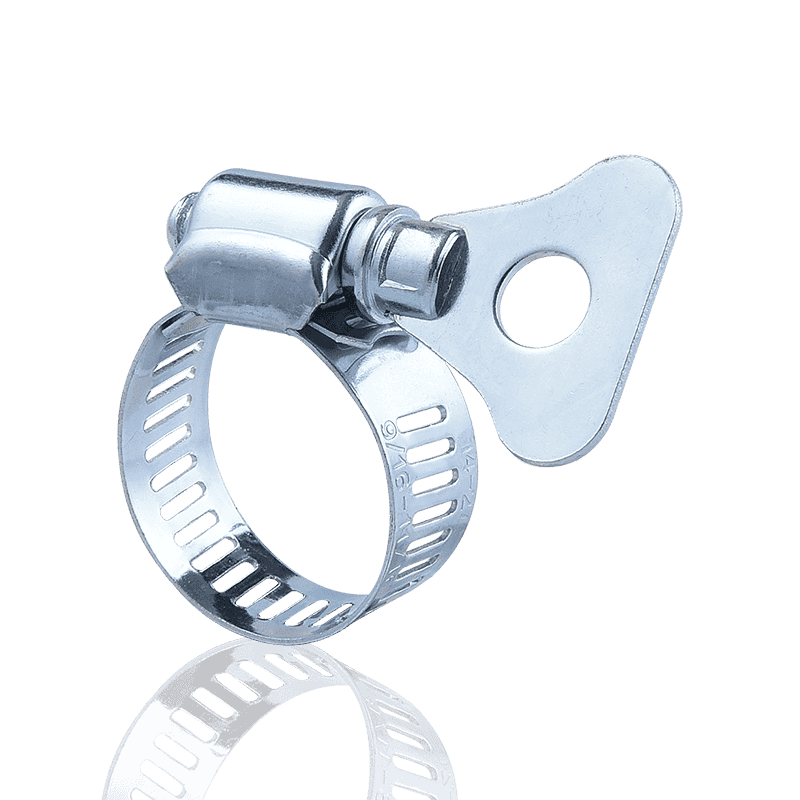
Adjustable hose clamps are particularly popular in agricultural use because field technicians frequently need to connect hoses of slightly varying outer diameters to compatible fittings without carrying a large inventory of fixed-size clamps. A single adjustable worm-drive clamp covering a range of 32–50 mm, for example, handles most standard irrigation coupling sizes.
For chemical spray systems, the clamp material must be compatible with the specific agrochemicals used. Where acidic fertilizers or chlorine-based disinfectants are involved, 316 stainless or fully plastic-lined clamps are advisable. Understanding the advantages and disadvantages of stainless steel hose clamps in chemical environments — particularly that even 304 SS can degrade under prolonged acid exposure — helps procurement teams make accurate selections.
Industrial Manufacturing — High-Pressure and High-Temperature Demands
Industrial manufacturing environments — including hydraulic systems, pneumatic lines, steam distribution, and chemical processing — place the most stringent demands on hose clamps. Systems routinely operate at pressures above 10 bar and temperatures exceeding 200°C in some process lines.
Applying high-pressure hose clamp installation techniques correctly in these environments directly determines system safety. Key installation rules include: fully seating the hose on the fitting before clamping, positioning the clamp 8–13 mm from the hose end, torquing to specification, and re-checking tension after the first full heat cycle.
For pressures exceeding 15 bar, heavy-duty hose clamp installation methods should be followed: use T-bolt or heavy-duty band clamps rather than standard worm-drive types, apply dual clamps staggered 6–10 mm apart on critical connections, and schedule re-torque checks at 50-hour operating intervals. Referencing the correct Taiwan hose clamp specifications for band width and material grade is essential at this pressure range.
Construction and Building Systems — Sewer, HVAC, and Structural Lines
In building construction, Taiwan style hose clamps serve two main roles: connecting flexible drainage and sewer hose interfaces, and securing flexible duct connections in HVAC systems. Both applications prioritize ease of installation and long-term stability over high-pressure performance.
For buried or embedded applications, zinc-plated or coated clamps may be suitable for limited periods, but stainless steel is increasingly specified in building codes for concealed connections that cannot be easily accessed for maintenance. Proper hose clamp maintenance and care planning is especially important here — once installed inside a wall or ceiling void, clamps may not be inspected again for years.
Spiral Hose Clamp Usage Tips for HVAC Applications
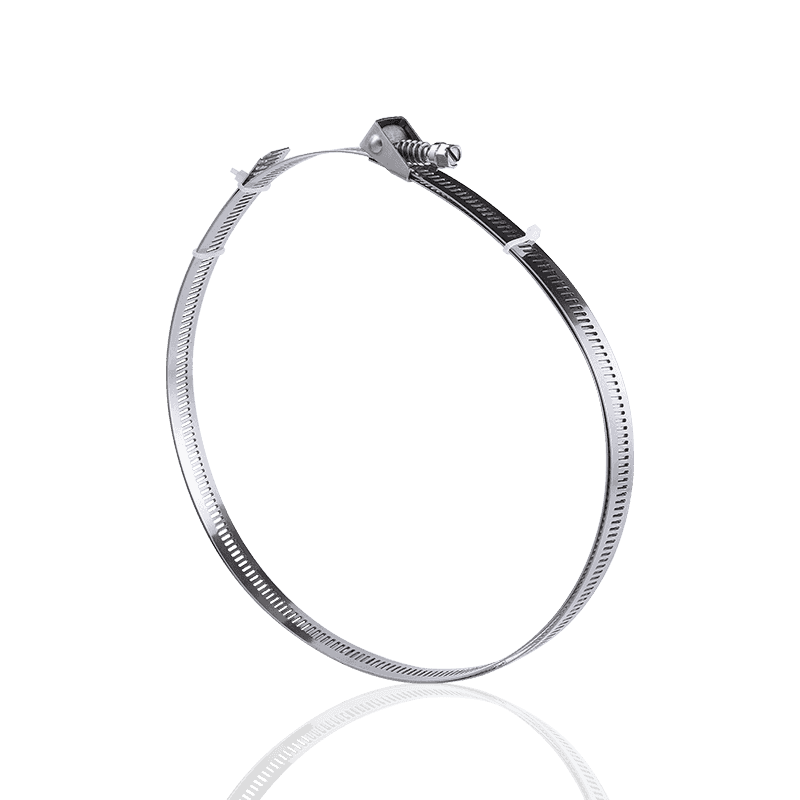
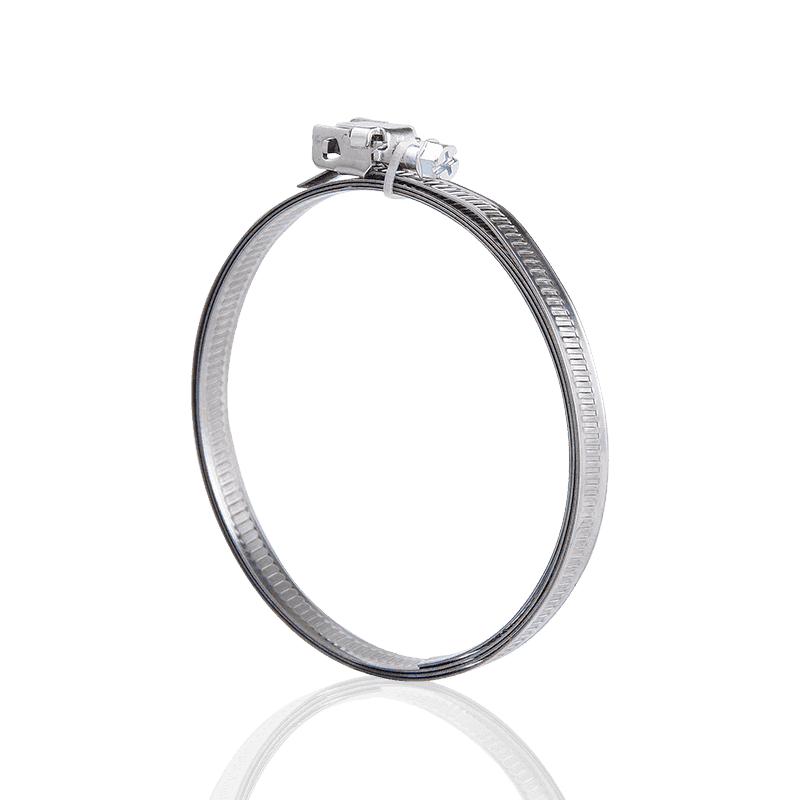
HVAC flexible duct connections benefit from spiral-style clamps because they distribute clamping pressure evenly around the full circumference without a band gap — reducing air leakage at the connection point. Key spiral hose clamp usage tips for this context include:
- Confirm spiral pitch matches the duct collar wall thickness before ordering.
- For flexible duct insulation wrap connections, use a wide-band clamp over the connection point to avoid compressing and damaging insulation.
- In areas with seasonal temperature swings, select clamps with a tolerance for thermal expansion of at least ±3 mm in the clamping diameter.
How Operating Temperature Affects Clamp Selection Across Industries
Temperature is a cross-industry factor that directly influences both clamp material selection and post-installation maintenance requirements. The line chart below shows how clamp tension typically degrades over heat cycles across different temperature operating ranges — a key consideration for any sector running hot-side lines.
This data underscores why high-temperature resistant hose clamps — paired with a structured re-torque protocol — are essential for industrial and automotive applications running above 120°C. At 200°C, tension retention can fall to approximately 72% of initial installation torque after five heat cycles without re-torque intervention.
Taiwan Hose Clamp Specifications — A Cross-Industry Reference
Selecting the correct specification for your industry starts with knowing which parameters matter most. The table below consolidates Taiwan hose clamp specifications by industry sector.
| Industry | Clamp Type | Material | Diameter Range (mm) | Key Feature |
|---|---|---|---|---|
| Automotive | Worm-drive / Anti-slip | 304 / 316 SS | 16–90 | Vibration resistance |
| Marine | All-SS worm-drive | 316 SS | 20–100 | Salt spray resistance |
| Food Processing | Smooth-band hygienic | 316L SS | 25–76 | Crevice-free, electropolished |
| Agriculture | Adjustable worm-drive | 304 SS / coated | 16–130 | Wide adjustment range |
| Industrial Mfg. | Heavy-duty / T-bolt | 316 SS / alloy | 38–200 | High-pressure rated |
| Construction | Spiral / worm-drive | 304 SS / galvanized | 20–150 | Uniform circumferential seal |
About Cixi Hengtuo Hardware Co., Ltd.
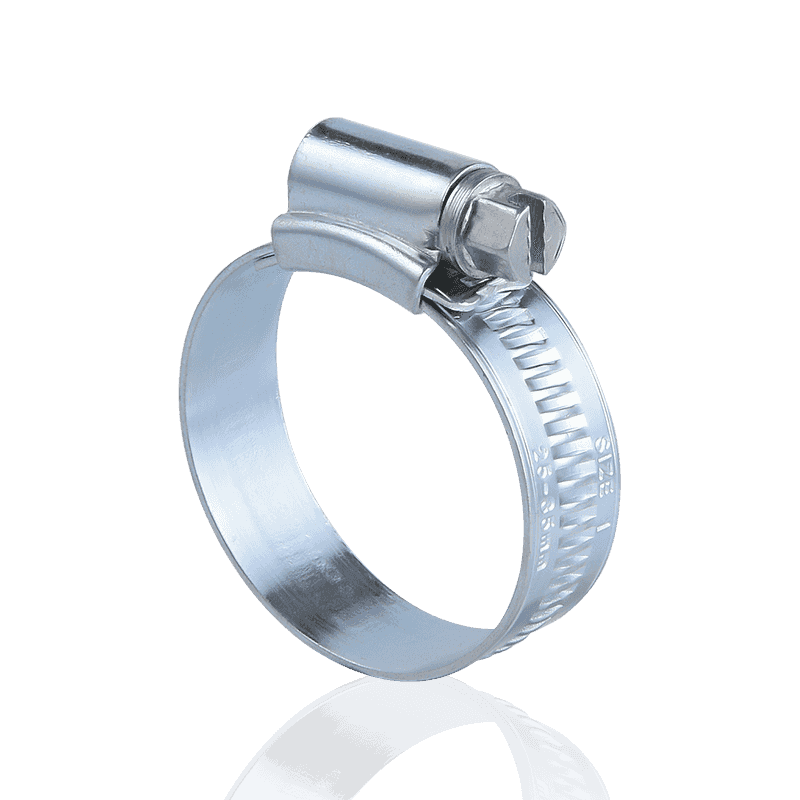
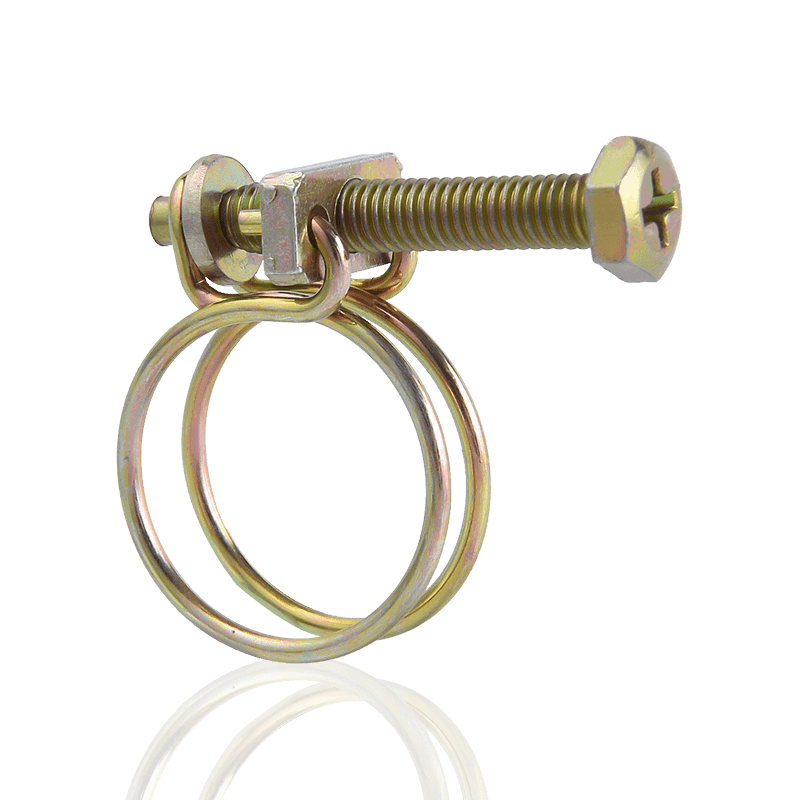
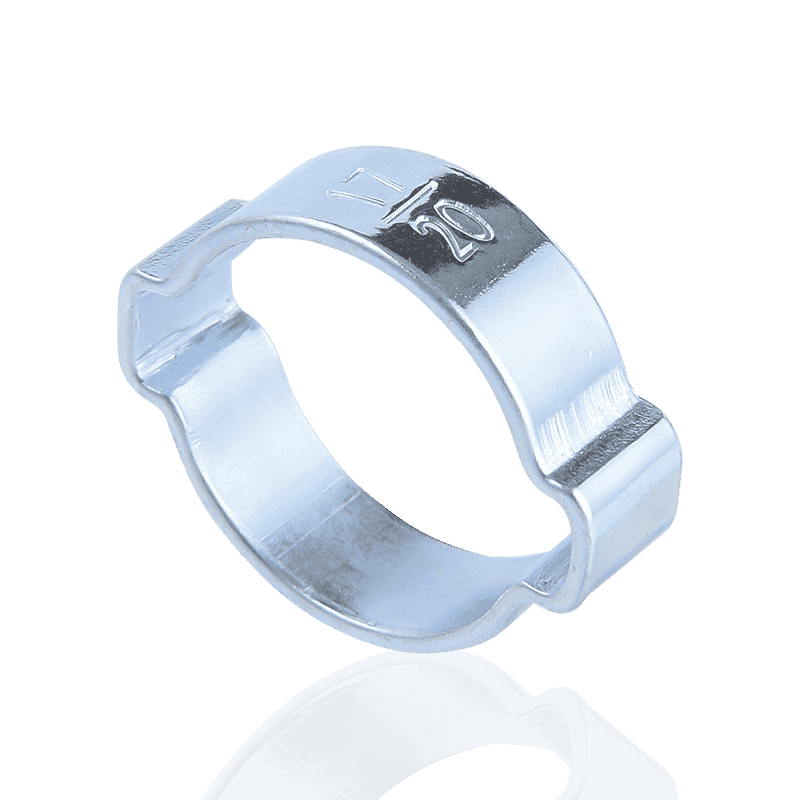
Cixi Hengtuo Hardware Co., Ltd. is a professional manufacturer of hose clamps and clamp series, established in 2005 in Cixi City, Zhejiang Province. With nearly 100 employees, the factory produces approximately 30 million hose clamps annually, covering a full range of styles including British, German, American, strong style, and single ear clamps. Custom specifications are available to meet specific project requirements.
Strategically located adjacent to Ningbo's Beilun International Ship Terminal to the east and the Hangzhou Bay Bridge corridor to the north, the factory benefits from direct access to international logistics networks, supporting efficient export to markets worldwide.
All products are engineered for strong mechanical resistance, high-pressure performance, and corrosion resistance, and are applied in automotive, tractor, marine, diesel engine, gasoline engine, sprinkler irrigation, and building infrastructure sectors. With advanced manufacturing equipment, complete testing procedures, and a consistent commitment to "quality, fair price," Cixi Hengtuo has built a solid reputation with domestic and international customers through decades of reliable production and customer-focused service.
Frequently Asked Questions


The company strives for excellence in every aspect of production, sales, and after-sales, ensuring customer satisfaction is the unchanging purpose of the enterprise!
Quick links
Product links
Contact Us
-
Address:222 Zhouhu Road, Zhouxiang Town, Cixi City, Zhejiang Province, China
-
Phone: +86-13736108443
-
Tel: +86-574-63441573
-
Fax: +86-574-63452355
-
E-mail: [email protected]
Copyright ©Cixi Hengtuo Hardware Co., Ltd. Rights Reserved. Wholesale Hose Clamp Manufacturer China Hose Clamp Factory
